Introduction to High-Performance Industrial Adhesives
High-performance industrial adhesives play a crucial role in various sectors, including electronics, automotive, and new energy manufacturing. These adhesives are designed to meet stringent requirements for strength, durability, and environmental resistance. In this article, we will explore the key applications and technical aspects of these adhesives, with a focus on their use in advanced manufacturing processes.
Applications in Electronics Manufacturing
In the electronics industry, high-performance adhesives are essential for bonding and encapsulating components, ensuring they can withstand the rigors of daily use and harsh environments.
Thermal Management and Electrical Insulation
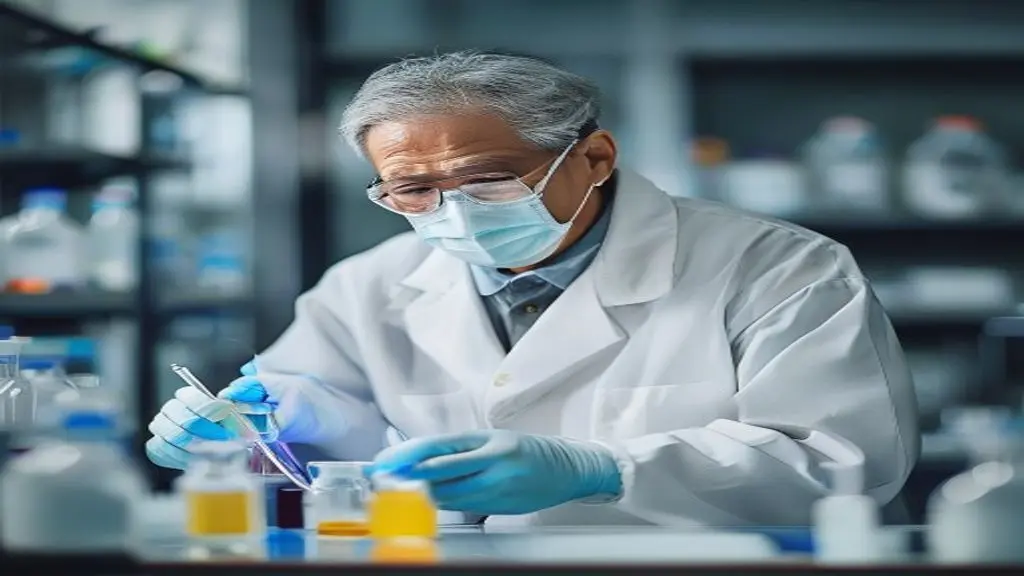
One of the primary challenges in electronics is managing heat dissipation. High-performance adhesives with good thermal conductivity help to dissipate heat away from critical components, preventing overheating and extending the lifespan of electronic devices. Additionally, these adhesives must provide reliable electrical insulation to prevent short circuits and ensure the safe operation of electronic systems.
Applications in Automotive Assembly
The automotive industry relies heavily on high-performance adhesives for structural bonding, sealing, and noise reduction. Adhesives in this sector must be able to withstand extreme temperatures, vibrations, and mechanical stresses. They are used in various applications, such as body panel bonding, windshield installation, and interior trim attachment.
Structural Bonding and Sealing
Structural adhesives are used to bond metal, plastic, and composite materials in vehicle bodies, enhancing both safety and performance. These adhesives must provide high tensile and shear strength, as well as excellent fatigue resistance. Sealing adhesives, on the other hand, are used to create watertight and airtight seals, protecting the vehicle's interior from water, dust, and other contaminants.
Applications in New Energy Solutions
The new energy sector, which includes solar panels, wind turbines, and electric vehicles, also benefits significantly from high-performance adhesives. In solar panel manufacturing, adhesives are used to bond photovoltaic cells and encapsulate them, providing protection against environmental factors and ensuring long-term performance. In wind turbine construction, adhesives are used to bond and seal components, such as blades and nacelles, to withstand the harsh conditions of offshore and onshore installations.
Environmental Resistance and Long-Term Performance
Adhesives in the new energy sector must be highly resistant to UV radiation, temperature fluctuations, and chemical exposure. They must also provide excellent long-term performance, as the components they bond are expected to operate reliably for decades. For example, in the production of electric vehicle batteries, adhesives are used to bond and seal battery cells, ensuring they remain stable and secure throughout the vehicle's lifecycle.
Technical Insights and Future Trends
As the demand for high-performance adhesives continues to grow, manufacturers like B8X are constantly innovating to meet the evolving needs of the industry. Advances in polymer chemistry and nanotechnology are leading to the development of adhesives with enhanced properties, such as improved thermal conductivity, higher strength, and better environmental resistance. Additionally, there is a growing focus on sustainability, with the development of bio-based and recyclable adhesives that reduce the environmental impact of manufacturing processes.
Advanced Polymer Chemistry and Nanotechnology
Recent advancements in polymer chemistry have led to the creation of adhesives with tailored properties, such as self-healing capabilities and shape memory. Nanotechnology, on the other hand, is enabling the development of adhesives with enhanced mechanical and thermal properties. These innovations are driving the next generation of high-performance adhesives, which will play a critical role in the future of advanced manufacturing.
Sustainability and Environmental Impact
As the world becomes more environmentally conscious, the demand for sustainable adhesives is increasing. Bio-based adhesives, derived from renewable resources, offer a greener alternative to traditional petroleum-based adhesives. Additionally, efforts are being made to develop adhesives that can be easily recycled or biodegraded, reducing the environmental footprint of manufacturing processes. B8X, with its commitment to innovation and sustainability, is at the forefront of these developments, ensuring that its adhesives not only meet the highest performance standards but also contribute to a more sustainable future.
Write your comment