Introduction to High-Performance Industrial Adhesives
High-performance industrial adhesives play a crucial role in various manufacturing sectors, including electronics, automotive, and new energy. These adhesives are designed to provide robust, durable, and reliable bonding solutions that can withstand harsh environmental conditions, extreme temperatures, and mechanical stresses. As industries continue to evolve, the demand for advanced bonding solutions has grown, driving innovation in adhesive technology.
The Role of Industrial Adhesives in Electronics Manufacturing
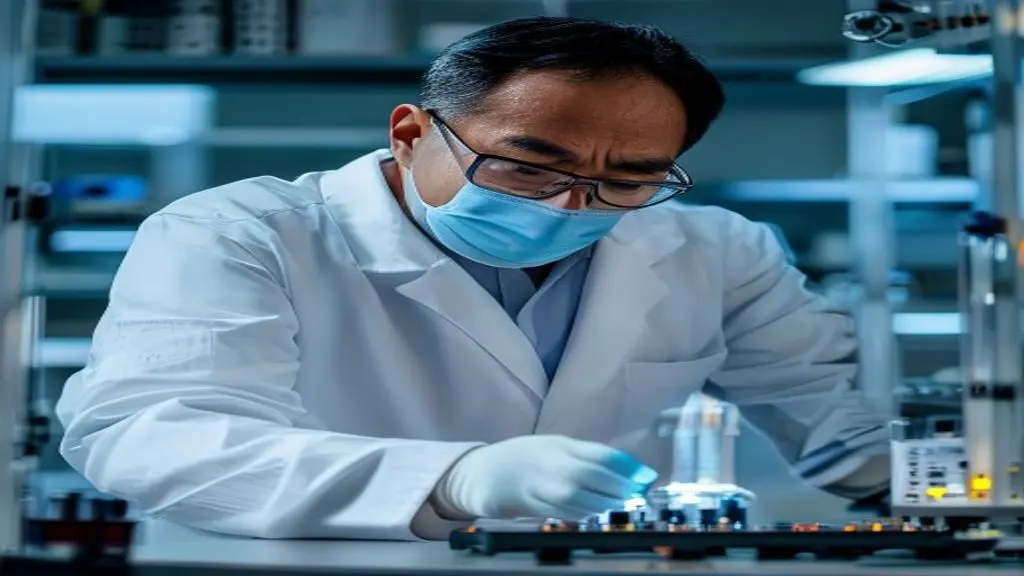
In the electronics industry, adhesives are used for a wide range of applications, from securing components on circuit boards to providing thermal management and electrical insulation. The miniaturization of electronic devices and the increasing complexity of their designs have led to the development of specialized adhesives with specific properties, such as low outgassing, high dielectric strength, and excellent thermal conductivity.
One of the key challenges in electronics manufacturing is ensuring that adhesives can maintain their performance over the product's lifecycle. This includes resistance to moisture, temperature fluctuations, and chemical exposure.
Applications in Automotive Assembly
The automotive industry is another major user of high-performance industrial adhesives. These adhesives are used in various applications, including structural bonding, sealing, and noise and vibration damping. The shift towards lightweight materials, such as aluminum and composites, has driven the need for adhesives that can bond dissimilar materials effectively while maintaining structural integrity.
Structural adhesives, for example, are used to join body panels, doors, and other components, reducing the need for traditional fastening methods like welding or riveting. This not only improves the overall aesthetics of the vehicle but also enhances its safety and fuel efficiency. Additionally, adhesives are used in the assembly of batteries and electric drivetrains, which are critical components in the growing electric vehicle (EV) market.
Advancements in New Energy Solutions
The new energy sector, encompassing renewable energy sources and energy storage systems, relies heavily on high-performance adhesives. In solar panel manufacturing, adhesives are used to bond the photovoltaic cells to the substrate, ensuring long-term reliability and efficiency. Similarly, in wind turbine production, adhesives are used to secure the blades and other components, providing resistance to environmental factors such as UV radiation and salt spray.
Battery manufacturing, particularly for lithium-ion batteries, is another area where adhesives play a vital role. Adhesives are used to bond the battery cells, provide thermal management, and ensure the integrity of the battery pack. The high-energy density and safety requirements of modern batteries necessitate the use of adhesives that can withstand high temperatures and provide excellent thermal conductivity.
Trends and Innovations in Adhesive Technology
As the demand for high-performance adhesives continues to grow, manufacturers are investing in research and development to create more advanced and sustainable solutions. Some of the key trends in adhesive technology include:
- Biodegradable and Eco-Friendly Adhesives: With an increasing focus on sustainability, there is a growing interest in adhesives that are biodegradable and made from renewable resources. These adhesives reduce the environmental impact of manufacturing processes and end-of-life disposal.
- Smart Adhesives: Smart adhesives are designed to respond to external stimuli, such as temperature, pressure, or light. These adhesives can be used in applications where controlled release or reversible bonding is required, offering greater flexibility and functionality.
- Nano-Enhanced Adhesives: The incorporation of nanomaterials, such as carbon nanotubes and graphene, into adhesives can significantly enhance their mechanical, thermal, and electrical properties. This results in stronger, more durable, and multifunctional adhesives that can meet the demands of advanced manufacturing processes.
Conclusion
High-performance industrial adhesives are essential in the electronics, automotive, and new energy sectors, providing reliable and durable bonding solutions. As these industries continue to evolve, the demand for advanced adhesives with specific properties will only increase. By leveraging the latest advancements in adhesive technology, manufacturers can improve the performance, safety, and sustainability of their products, ensuring they meet the rigorous demands of modern manufacturing.
Write your comment