Introduction to High-Performance Industrial Adhesives
High-performance industrial adhesives play a crucial role in various manufacturing sectors, including electronics, automotive, and new energy. These adhesives are designed to provide robust, reliable, and long-lasting bonds that can withstand extreme conditions such as high temperatures, mechanical stress, and chemical exposure. In this article, we will delve into the technical aspects, applications, and trends in the use of high-performance industrial adhesives.
Technical Aspects of High-Performance Adhesives
High-performance industrial adhesives are formulated with advanced chemistries to meet the stringent requirements of modern manufacturing. These adhesives typically include epoxy, polyurethane, acrylic, and silicone-based formulations. Each type of adhesive has unique properties that make it suitable for specific applications.
Epoxy adhesives, for example, are known for their excellent mechanical strength and chemical resistance. They are widely used in structural bonding applications where high load-bearing capacity is required. Polyurethane adhesives, on the other hand, offer flexibility and impact resistance, making them ideal for applications that involve dynamic loads or thermal cycling.
Acrylic adhesives are favored for their fast curing times and ability to bond a wide range of substrates, including metals, plastics, and composites. Silicone adhesives, with their excellent temperature resistance and flexibility, are commonly used in high-temperature and outdoor applications.
Applications in Electronics Manufacturing
In the electronics industry, high-performance adhesives are essential for ensuring the reliability and performance of electronic devices. These adhesives are used in various applications, such as:
- Die attach: Bonding semiconductor chips to lead frames or substrates.
- Conformal coating: Protecting printed circuit boards (PCBs) from environmental factors like moisture, dust, and chemicals.
- Encapsulation: Encasing sensitive components to provide protection against mechanical and environmental stresses.
- Thermal management: Facilitating heat dissipation from high-power components to maintain optimal operating temperatures.
For these applications, adhesives must have low outgassing, high thermal conductivity, and excellent electrical insulation properties. B8X, with its advanced adhesive formulations, provides solutions that meet these stringent requirements, ensuring the longevity and reliability of electronic devices.
Applications in Automotive Assembly
The automotive industry relies heavily on high-performance adhesives for structural bonding, noise and vibration damping, and sealing. These adhesives are used in various parts of the vehicle, including:
- Body panels: Bonding metal and composite body panels to improve structural integrity and reduce weight.
- Interior components: Attaching trim, upholstery, and other interior elements to enhance comfort and aesthetics.
- Sealing and gasketing: Providing airtight and watertight seals for doors, windows, and other openings.
- Battery packs: Securing and protecting battery cells in electric and hybrid vehicles.
Adhesives used in automotive applications must withstand harsh conditions, including exposure to UV light, temperature extremes, and mechanical stress. B8X's adhesives are engineered to meet these demands, offering durable and reliable bonding solutions for the automotive sector.
Applications in New Energy Manufacturing
The new energy sector, which includes solar, wind, and battery technologies, also benefits from high-performance adhesives. In solar panel manufacturing, adhesives are used for:
- Module assembly: Bonding solar cells to the backsheet and encapsulant layers.
- Frame attachment: Securing the aluminum frame to the module for structural support.
- Sealing and potting: Protecting junction boxes and other components from environmental damage.
In wind turbine manufacturing, adhesives are used for blade bonding, nacelle assembly, and sensor mounting. For battery manufacturing, adhesives are crucial for cell-to-cell bonding, busbar attachment, and thermal management. B8X's adhesives are designed to meet the specific needs of these applications, ensuring long-term performance and reliability.
Trends in High-Performance Adhesive Technology
The field of high-performance adhesives is continuously evolving, driven by the need for more sustainable, efficient, and versatile solutions. Some of the key trends in adhesive technology include:
- Sustainability: The development of bio-based and recyclable adhesives to reduce environmental impact.
- Smart adhesives: Adhesives that can change properties in response to external stimuli, such as temperature, light, or pH.
- Nanotechnology: The incorporation of nanomaterials to enhance the mechanical, thermal, and electrical properties of adhesives.
- Automation and robotics: The integration of adhesives with automated dispensing systems and robotic assembly lines to improve efficiency and precision.
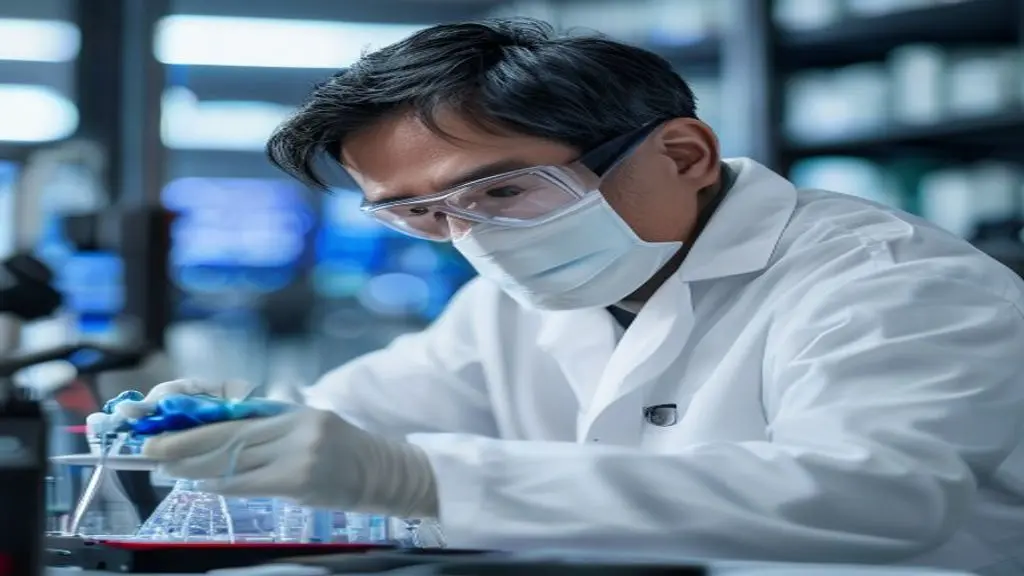
These trends are shaping the future of high-performance adhesives, enabling manufacturers to develop more innovative and sustainable products. B8X is at the forefront of these advancements, continuously researching and developing new adhesive solutions to meet the evolving needs of the industry.
Conclusion
High-performance industrial adhesives are indispensable in the electronics, automotive, and new energy manufacturing sectors. Their ability to provide strong, reliable, and durable bonds under extreme conditions makes them a critical component in modern manufacturing processes. As the industry continues to evolve, the demand for more advanced and sustainable adhesive solutions will only grow. B8X, with its commitment to innovation and quality, is well-positioned to meet these challenges and drive the future of high-performance adhesives.
Write your comment