The Role of High-Performance Industrial Adhesives in Modern Manufacturing
High-performance industrial adhesives play a crucial role in various sectors, including electronics, automotive, and new energy manufacturing. These adhesives are designed to provide strong, durable, and reliable bonding solutions, ensuring that components and assemblies withstand the rigors of their intended applications. In this article, we will delve into the technical aspects, applications, and trends in the use of industrial adhesives, with a focus on these key industries.
Understanding Industrial Adhesives
Industrial adhesives are specialized formulations designed to bond materials together under a wide range of conditions. They are used in applications where mechanical fasteners or welding may not be suitable or practical. The performance of these adhesives is influenced by several factors, including the type of adhesive, the substrates being bonded, and the environmental conditions.
Common types of industrial adhesives include:
- Epoxy Resins: Known for their high strength and excellent chemical resistance, epoxy resins are widely used in structural bonding applications.
- Cyanoacrylates (Super Glues): These adhesives offer rapid curing and strong bonds, making them ideal for small, precise applications.
- Acrylics: Acrylic adhesives provide good flexibility and impact resistance, making them suitable for dynamic loading conditions.
- Polyurethanes: These adhesives offer excellent adhesion to a variety of substrates and are often used in applications requiring flexibility and durability.
Applications in Electronics Manufacturing
In the electronics industry, industrial adhesives are essential for assembling and protecting sensitive components. The miniaturization of electronic devices and the increasing complexity of circuit boards require adhesives that can provide reliable bonding in tight spaces and under extreme conditions.
Key applications include:
- Surface Mount Technology (SMT): Adhesives are used to secure surface mount components to printed circuit boards (PCBs) before soldering, ensuring they remain in place during the reflow process.
- Conformal Coatings: These coatings protect electronic components from moisture, dust, and other environmental contaminants, extending the lifespan of the device.
- Thermal Management: Adhesives with high thermal conductivity are used to dissipate heat from components, preventing overheating and ensuring optimal performance.
Automotive Assembly and Bonding
The automotive industry relies heavily on industrial adhesives for a variety of applications, from body construction to interior trim. These adhesives must meet stringent requirements for strength, durability, and resistance to environmental factors such as temperature, humidity, and vibration.
Some of the key applications in automotive manufacturing include:
- Body-in-White (BIW) Assembly: Adhesives are used to bond metal panels and structural components, providing a lightweight alternative to traditional welding methods.
- Interior Trim and Sealing: Adhesives are used to attach and seal interior components such as dashboards, door panels, and headliners, ensuring a quiet and comfortable ride.
- Window and Windshield Bonding: Specialized adhesives are used to securely bond glass to the vehicle frame, providing a watertight and structurally sound seal.
New Energy Solutions and Adhesive Innovations
The new energy sector, including solar, wind, and battery technologies, is driving the development of advanced adhesives that can meet the unique challenges of these applications. For example, in the production of solar panels, adhesives must provide long-term stability and resistance to UV radiation, while in battery manufacturing, adhesives must ensure reliable and safe connections between cells and modules.
Key areas of innovation include:
- UV-Curable Adhesives: These adhesives cure rapidly when exposed to ultraviolet light, making them ideal for high-speed production processes in the solar industry.
- Electrically Conductive Adhesives (ECAs): ECAs are used in the assembly of batteries and other electronic components, providing both mechanical and electrical connections.
- Thermally Conductive Adhesives: These adhesives are used to manage heat in battery packs and other high-power electronics, ensuring efficient and safe operation.
Technical Insights and Trends
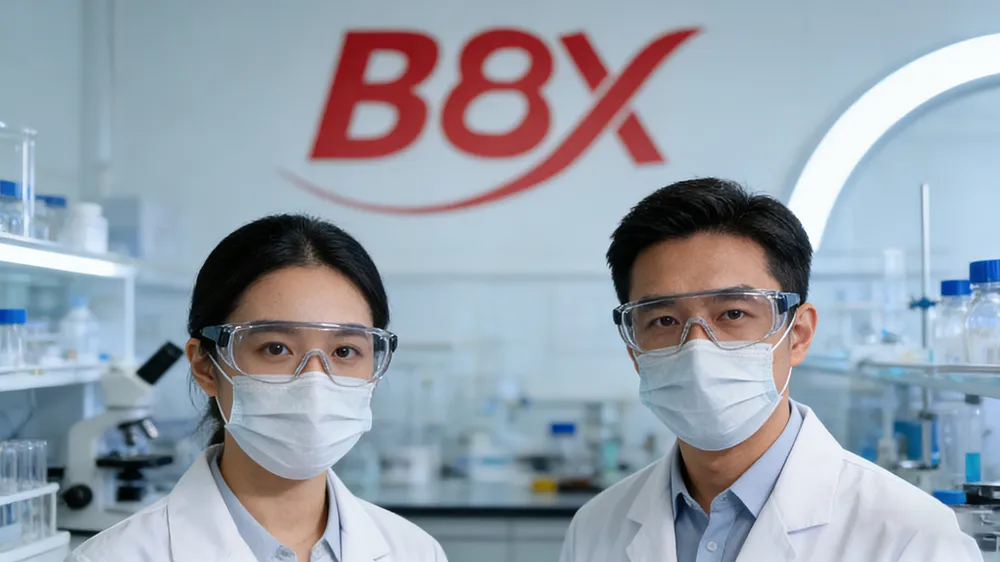
As the demand for high-performance adhesives continues to grow, manufacturers like B8X are at the forefront of developing innovative solutions. Some of the key trends and technical insights in the industry include:
- Sustainability: There is a growing emphasis on developing eco-friendly adhesives that reduce the environmental impact of manufacturing processes. This includes the use of bio-based materials and the reduction of volatile organic compounds (VOCs).
- Automation and Robotics: The integration of adhesives into automated production lines is becoming more common, driven by the need for precision and consistency in high-volume manufacturing.
- Smart Adhesives: The development of adhesives with built-in sensors and self-healing properties is an emerging trend, offering new possibilities for monitoring and maintaining the integrity of bonded structures.
By staying at the cutting edge of these developments, B8X and other leading adhesive manufacturers are helping to drive innovation and improve the performance of products across a wide range of industries.
Write your comment