Introduction to High-Performance Industrial Adhesives
High-performance industrial adhesives play a crucial role in various manufacturing sectors, including electronics, automotive, and new energy. These adhesives are designed to provide strong, durable, and reliable bonding solutions that can withstand harsh conditions and extreme environments. In this article, we will delve into the technical aspects, applications, and trends in the use of industrial adhesives in these industries.
Technical Insights into Industrial Adhesives
Chemical Composition and Properties
Industrial adhesives are formulated with a variety of chemical compositions to meet specific performance requirements. Common types include epoxy, polyurethane, acrylic, and silicone adhesives. Each type has unique properties that make it suitable for different applications:
- Epoxy Adhesives: Known for their high strength and excellent chemical resistance, epoxies are widely used in structural bonding and potting applications.
- Polyurethane Adhesives: These adhesives offer flexibility and impact resistance, making them ideal for bonding materials that experience dynamic loads or temperature fluctuations.
- Acrylic Adhesives: Acrylics provide rapid curing and strong bonds, particularly useful in applications requiring quick assembly and high-strength bonding.
- Silicone Adhesives: Silicone-based adhesives excel in high-temperature and high-humidity environments, offering excellent thermal stability and flexibility.
Key Performance Parameters
When selecting an industrial adhesive, several key performance parameters must be considered to ensure optimal results:
- Shear Strength: The ability of the adhesive to resist shear forces, which is critical in applications where components are subjected to lateral stress.
- Tensile Strength: The maximum stress that the adhesive can withstand before breaking, essential for ensuring the integrity of bonded joints.
- Thermal Resistance: The ability of the adhesive to maintain its properties under high temperatures, crucial in automotive and electronics applications.
- Chemical Resistance: The adhesive's ability to withstand exposure to chemicals, solvents, and other corrosive substances without degrading.
- Cure Time: The time required for the adhesive to fully cure and achieve its final properties, which can impact production efficiency.
Applications in Electronics Manufacturing
In the electronics industry, high-performance adhesives are used in a wide range of applications, from bonding and encapsulation to conformal coating and potting. These adhesives must meet stringent requirements for electrical insulation, thermal conductivity, and low outgassing.
- Bonding Components: Adhesives are used to bond electronic components such as PCBs, connectors, and sensors, ensuring reliable and long-lasting connections.
- Encapsulation and Potting: Encapsulating and potting sensitive electronic components with adhesives provides protection against environmental factors such as moisture, dust, and mechanical shock.
- Conformal Coating: Conformal coatings are applied to PCBs to protect them from environmental contaminants while allowing for heat dissipation.
Applications in Automotive Assembly
The automotive industry relies heavily on industrial adhesives for body panel bonding, interior trim attachment, and structural reinforcement. These adhesives must withstand the rigors of daily use, including vibration, temperature extremes, and exposure to chemicals.
- Body Panel Bonding: Adhesives are used to bond metal and composite body panels, providing a strong, lightweight, and corrosion-resistant solution.
- Interior Trim Attachment: Adhesives are used to attach interior trim components such as dashboards, door panels, and headliners, ensuring a secure and aesthetically pleasing finish.
- Structural Reinforcement: Adhesives are used to reinforce structural components, such as frames and chassis, to enhance the overall strength and durability of the vehicle.
Applications in New Energy Manufacturing
New energy applications, such as solar panels and wind turbines, require adhesives that can withstand extreme weather conditions, UV exposure, and mechanical stress. These adhesives must also provide excellent adhesion to a variety of substrates, including glass, metals, and composites.
- Solar Panels: Adhesives are used to bond solar cells to the backsheet and frame, ensuring long-term reliability and performance.
- Wind Turbines: Adhesives are used to bond and seal components in wind turbine blades and nacelles, providing protection against environmental factors and ensuring structural integrity.
- Battery Packs: Adhesives are used to bond and encapsulate battery cells, providing thermal management and protection against mechanical and environmental stresses.
Trends in Industrial Adhesive Technology
The field of industrial adhesives is continuously evolving, driven by the need for more sustainable, efficient, and high-performance solutions. Some of the key trends in the industry include:
- Sustainability: There is a growing demand for eco-friendly adhesives that are biodegradable, non-toxic, and have a lower carbon footprint. Manufacturers are developing adhesives from renewable resources and improving the recyclability of bonded materials.
- Smart Adhesives: Smart adhesives are being developed to respond to external stimuli such as temperature, humidity, and light. These adhesives can change their properties, such as viscosity or adhesion, to adapt to changing conditions, enhancing their versatility and performance.
- Advanced Curing Technologies: New curing technologies, such as UV and LED curing, are being adopted to reduce cure times and improve process efficiency. These technologies enable faster and more controlled curing, leading to higher productivity and better quality control.
- Multi-Functional Adhesives: Multi-functional adhesives that combine multiple properties, such as adhesion, sealing, and thermal management, are becoming increasingly popular. These adhesives can simplify the manufacturing process and reduce the number of materials needed.
Conclusion
High-performance industrial adhesives are essential in the electronics, automotive, and new energy manufacturing sectors. By understanding the technical properties and applications of these adhesives, manufacturers can select the most suitable solutions for their specific needs. As the industry continues to evolve, the development of sustainable, smart, and multi-functional adhesives will drive further innovation and efficiency in manufacturing processes.
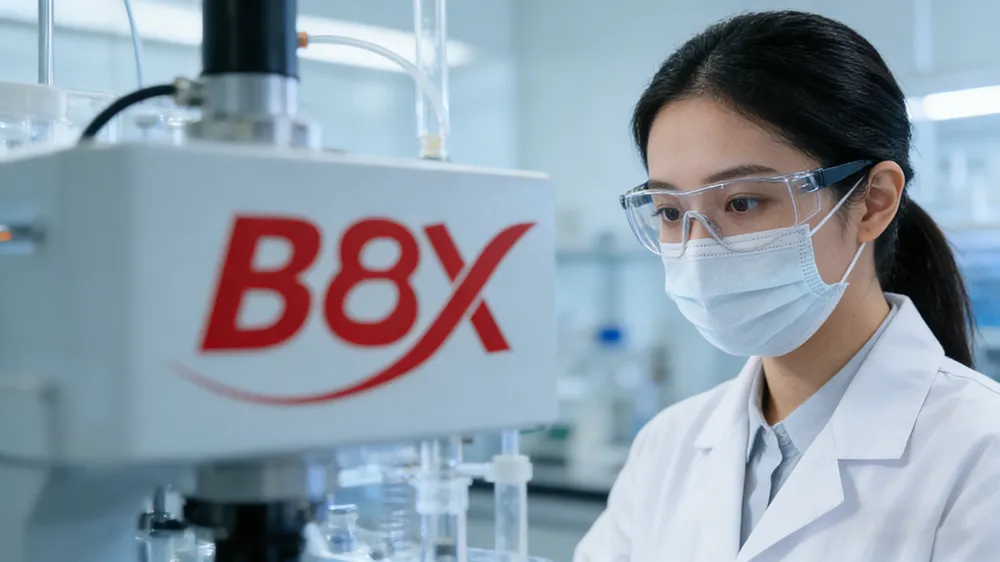
For more information on the latest advancements in industrial adhesives and their applications, stay tuned to industry updates and consult with experts in the field.
Write your comment