The Critical Role of High-Performance Industrial Adhesives in Modern Manufacturing
High-performance industrial adhesives play a pivotal role in modern manufacturing, particularly in the electronics, automotive, and new energy sectors. These adhesives are designed to provide reliable, durable, and versatile bonding solutions that meet the stringent requirements of these industries. In this article, we will explore the importance of high-performance adhesives, their applications, and the latest trends in the field.
Understanding High-Performance Industrial Adhesives
High-performance industrial adhesives are engineered to offer superior bonding strength, resistance to environmental factors, and compatibility with a wide range of materials. These adhesives are formulated to withstand extreme temperatures, chemical exposure, and mechanical stress, making them ideal for use in demanding environments.
Key characteristics of high-performance industrial adhesives include:
- High Bond Strength: Capable of providing strong and durable bonds that can withstand significant loads and stresses.
- Chemical Resistance: Resistant to a variety of chemicals, including solvents, acids, and bases, ensuring long-term performance in harsh environments.
- Temperature Resistance: Able to maintain their bonding properties across a wide temperature range, from extremely low to very high temperatures.
- UV and Weather Resistance: Designed to resist degradation from UV light and weathering, ensuring longevity in outdoor applications.
- Flexibility and Toughness: Provide the necessary flexibility and toughness to accommodate movement and vibration without compromising the bond.
Applications in Electronics Manufacturing
In the electronics industry, high-performance adhesives are essential for assembling and protecting sensitive components. They are used in various applications, such as:
- Component Bonding: Securing electronic components to printed circuit boards (PCBs) and other substrates.
- Conformal Coating: Protecting PCBs and components from moisture, dust, and other environmental contaminants.
- Thermal Management: Enhancing heat dissipation by bonding heat sinks to components, ensuring efficient thermal management.
- Encapsulation: Encapsulating and protecting sensitive components from mechanical and environmental damage.
These adhesives must also meet strict regulatory and safety standards, such as RoHS (Restriction of Hazardous Substances) and REACH (Registration, Evaluation, Authorisation, and Restriction of Chemicals), to ensure compliance and environmental sustainability.
Applications in Automotive Assembly
The automotive industry relies heavily on high-performance adhesives for structural bonding, noise and vibration damping, and sealing. Some key applications include:
- Structural Bonding: Joining body panels, frames, and other structural components to enhance vehicle rigidity and safety.
- Noise and Vibration Damping: Reducing noise and vibration in the vehicle, improving passenger comfort and driving experience.
- Sealing: Sealing joints and gaps to prevent water, air, and dust ingress, ensuring the integrity of the vehicle's interior and exterior.
- Interior Trim and Panel Bonding: Attaching interior trim, dashboards, and other components to the vehicle's structure.
High-performance adhesives in the automotive sector must also be compatible with a wide range of materials, including metals, plastics, and composites, and must be able to withstand the rigorous testing and quality control processes required by the industry.
Applications in New Energy Solutions
The new energy sector, which includes solar, wind, and battery technologies, also benefits significantly from high-performance adhesives. These adhesives are used in:
- Solar Panels: Bonding and encapsulating solar cells to protect them from environmental factors and ensure long-term performance.
- Wind Turbines: Joining and sealing components in wind turbine blades and nacelles to withstand harsh weather conditions and mechanical stress.
- Battery Packs: Bonding and potting battery cells to ensure thermal management, electrical insulation, and structural integrity.
Adhesives used in new energy applications must be highly reliable and capable of maintaining their performance over the long term, often in challenging and remote locations.
Trends in High-Performance Industrial Adhesives
The field of high-performance industrial adhesives is continually evolving, driven by the need for more sustainable, efficient, and versatile solutions. Some of the key trends in the industry include:
- Sustainability: There is a growing demand for eco-friendly and biodegradable adhesives that reduce the environmental impact of manufacturing processes.
- Smart Adhesives: The development of smart adhesives that can change their properties in response to external stimuli, such as temperature or pH, is an emerging trend. These adhesives can be used in applications where precise control over bonding and release is required.
- Advanced Formulations: Ongoing research into new polymer chemistries and additives is leading to the development of adhesives with enhanced properties, such as improved adhesion to difficult-to-bond materials and greater resistance to extreme conditions.
- Automation and Digitalization: The integration of adhesives into automated manufacturing processes and the use of digital tools for process optimization and quality control are becoming increasingly important.
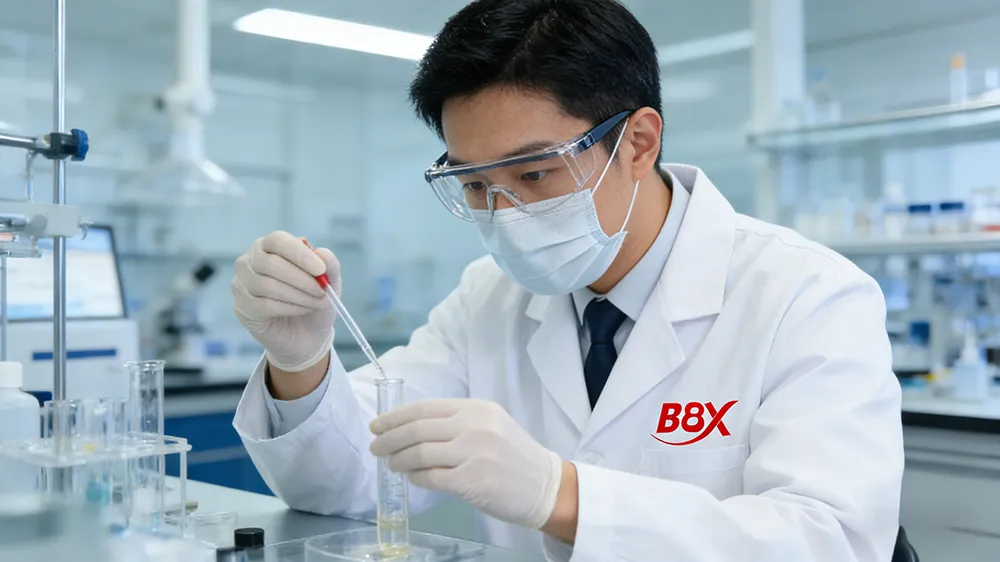
As the demand for high-performance industrial adhesives continues to grow, manufacturers like B8X are at the forefront of innovation, developing advanced solutions that meet the evolving needs of the electronics, automotive, and new energy sectors. By leveraging cutting-edge technology and a deep understanding of industry requirements, B8X is well-positioned to deliver reliable, high-quality adhesives that drive the success of modern manufacturing.
Write your comment