Introduction to High-Performance Industrial Adhesives
High-performance industrial adhesives play a crucial role in various manufacturing sectors, including electronics, automotive, and new energy. These adhesives are designed to meet stringent requirements for strength, durability, and resistance to environmental factors. In this article, we will delve into the technical aspects, applications, and emerging trends in the use of industrial adhesives.
The Role of Industrial Adhesives in Electronics Manufacturing
Electronics manufacturing demands precision and reliability. Industrial adhesives are essential for bonding components, protecting sensitive electronics, and ensuring long-term performance. They are used in a variety of applications, such as:
- Chip bonding: Adhesives are used to attach semiconductor chips to substrates, providing both mechanical and thermal stability.
- Conformal coating: These coatings protect printed circuit boards (PCBs) from moisture, dust, and other environmental contaminants.
- Encapsulation: Adhesives encapsulate electronic components, providing protection against physical and chemical damage.
Key properties of adhesives in electronics include low outgassing, thermal stability, and electrical insulation. These properties ensure that the adhesive does not interfere with the functionality of the electronic components.
Industrial Adhesives in Automotive Assembly
The automotive industry relies on industrial adhesives for structural bonding, noise and vibration reduction, and sealing. Adhesives offer several advantages over traditional fastening methods, such as welding and riveting. They provide:
- Lightweight construction: Adhesives can replace heavier fasteners, contributing to fuel efficiency and reduced emissions.
- Improved aesthetics: Adhesives create seamless bonds, enhancing the overall appearance of the vehicle.
- Vibration damping: Adhesives can absorb and dissipate vibrations, improving the driving experience and reducing wear and tear on components.
Common applications in automotive assembly include body panel bonding, windshield installation, and interior trim attachment. The choice of adhesive depends on the specific requirements of the application, such as temperature resistance, flexibility, and curing time.
Adhesives in New Energy Solutions
The new energy sector, including solar panels, wind turbines, and electric vehicles, is rapidly growing. Industrial adhesives are vital in these applications, providing robust and durable bonding solutions. For example:
- Solar panels: Adhesives are used to bond solar cells to the substrate, ensuring efficient energy transfer and long-term performance.
- Wind turbines: Adhesives are used in the assembly of turbine blades, providing structural integrity and resistance to harsh environmental conditions.
- Electric vehicles: Adhesives are used in battery packs, motor assemblies, and other critical components, ensuring reliable and safe operation.
Adhesives in new energy applications must withstand extreme temperatures, UV exposure, and mechanical stress. They also need to be compatible with the materials used in these applications, such as composites, metals, and plastics.
Emerging Trends in Industrial Adhesives
The field of industrial adhesives is continuously evolving, driven by technological advancements and changing industry needs. Some of the key trends include:
- Smart adhesives: These adhesives have self-healing, self-reporting, or self-reinforcing capabilities, enhancing their performance and longevity.
- Sustainability: There is a growing demand for eco-friendly adhesives that are biodegradable, non-toxic, and made from renewable resources.
- Advanced curing technologies: Innovations in curing methods, such as UV, LED, and microwave curing, are enabling faster and more efficient bonding processes.
These trends are pushing the boundaries of what is possible with industrial adhesives, offering new opportunities for manufacturers to improve their products and processes.
Conclusion
High-performance industrial adhesives are indispensable in modern manufacturing, particularly in the electronics, automotive, and new energy sectors. Their ability to provide strong, durable, and reliable bonds makes them a critical component in the production of advanced and high-quality products. As the industry continues to evolve, the development of new and innovative adhesives will play a pivotal role in shaping the future of manufacturing.
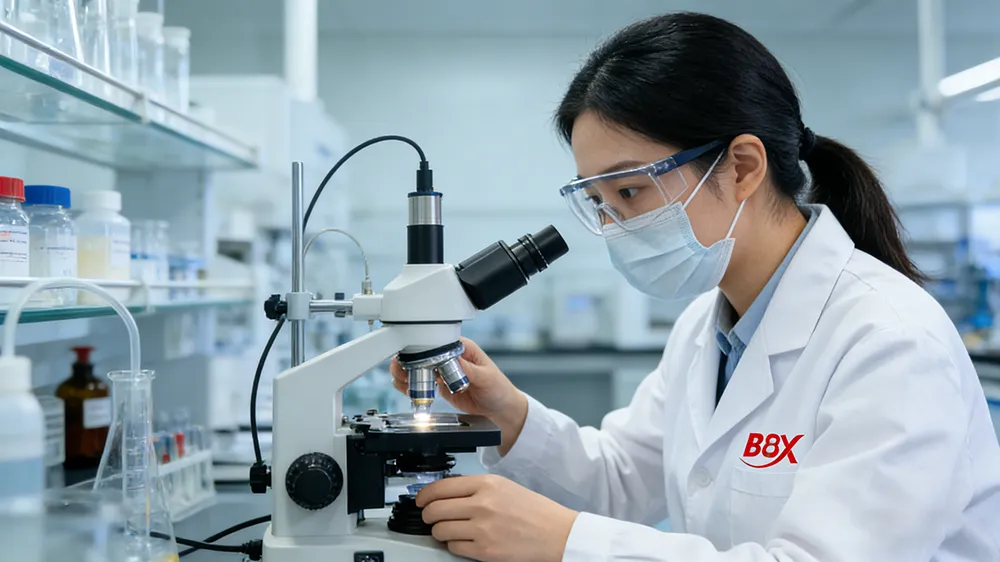
For more information on the latest developments in industrial adhesives and their applications, stay tuned to B8X's technical insights and updates.
Write your comment