The Role of High-Performance Industrial Adhesives in Modern Manufacturing
High-performance industrial adhesives play a crucial role in various manufacturing sectors, including electronics, automotive, and new energy. These adhesives are designed to meet the stringent demands of these industries, providing reliable bonding, durability, and resistance to harsh environments.
Applications in Electronics Manufacturing
In the electronics industry, adhesives are essential for assembling and protecting components. They are used in a wide range of applications, from bonding circuit boards to encapsulating sensitive electronic parts. The key requirements for adhesives in this sector include:
- Thermal Stability: Adhesives must withstand high temperatures during soldering and reflow processes without degrading or losing their bonding properties.
- Electrical Insulation: Many electronic components require adhesives that provide excellent electrical insulation to prevent short circuits and ensure safe operation.
- Chemical Resistance: Adhesives should resist exposure to solvents, cleaning agents, and other chemicals commonly used in electronics manufacturing.
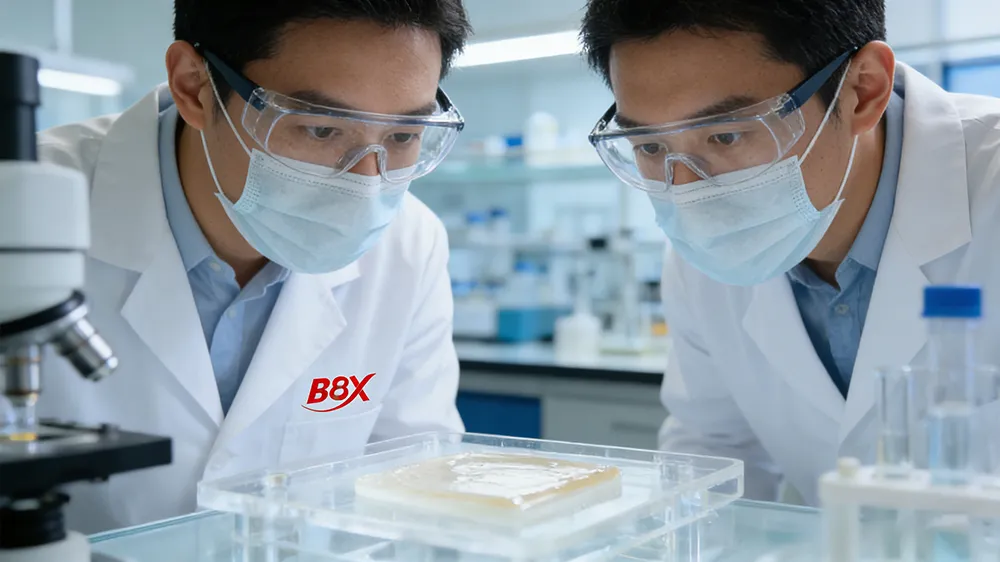
Adhesives in Automotive Assembly
The automotive industry relies heavily on high-performance adhesives for structural bonding, sealing, and noise reduction. Adhesives in this sector must meet the following criteria:
- Structural Integrity: Adhesives used in automotive assembly must provide strong, durable bonds that can withstand the mechanical stresses and vibrations experienced during vehicle operation.
- Environmental Resistance: Vehicles are exposed to a variety of environmental conditions, including temperature extremes, humidity, and UV radiation. Adhesives must maintain their performance over time in these challenging conditions.
- Weight Reduction: Lightweight adhesives can help reduce the overall weight of vehicles, improving fuel efficiency and reducing emissions.
New Energy Solutions and Adhesive Innovation
The new energy sector, which includes solar panels, wind turbines, and electric vehicles, is driving the development of advanced adhesives. These adhesives must address specific challenges such as:
- Long-Term Durability: Adhesives used in new energy applications must have a long service life, often exceeding 20 years, to ensure the reliability and longevity of the systems they support.
- Temperature Cycling: New energy systems, especially those in renewable energy, are subject to frequent temperature changes. Adhesives must maintain their performance under these conditions.
- UV Resistance: Solar panels and other outdoor equipment are exposed to intense UV radiation. Adhesives must be formulated to resist UV degradation and maintain their integrity over time.
Technical Insights and Trends
Advancements in adhesive technology are continuously driven by the evolving needs of the manufacturing industry. Some of the key trends and innovations include:
- Nanotechnology: The integration of nanomaterials into adhesives can enhance their mechanical, thermal, and chemical properties, leading to stronger and more durable bonds.
- Sustainability: There is a growing demand for eco-friendly adhesives that are made from renewable resources and have a lower environmental impact. Biodegradable and bio-based adhesives are gaining traction in the market.
- Smart Adhesives: Smart adhesives, which can change their properties in response to external stimuli (e.g., temperature, pH, light), are being developed for specialized applications in electronics and medical devices.
High-performance industrial adhesives, such as those provided by B8X, are at the forefront of these technological advancements. By leveraging cutting-edge materials and formulations, B8X ensures that its adhesives meet the rigorous demands of modern manufacturing, contributing to the success and reliability of products across various industries.
Write your comment