Introduction to High-Performance Industrial Adhesives
High-performance industrial adhesives play a crucial role in various manufacturing sectors, including electronics, automotive, and new energy. These adhesives are designed to provide strong, durable, and reliable bonding, even under extreme conditions. This article delves into the technical aspects, applications, and emerging trends in the use of industrial adhesives.
The Importance of Industrial Adhesives in Electronics Manufacturing
In the electronics industry, adhesives are essential for assembling and protecting sensitive components. They must meet stringent requirements for thermal stability, electrical insulation, and chemical resistance. For instance, in the production of printed circuit boards (PCBs), adhesives are used to attach surface-mount components, providing both mechanical and electrical connections. The choice of adhesive is critical, as it can affect the overall performance and longevity of the electronic device.
Adhesives in electronics must also be compatible with high-temperature processes such as reflow soldering, where temperatures can reach up to 260°C. This necessitates the use of thermally stable adhesives that can withstand these conditions without degrading or outgassing, which could compromise the integrity of the PCB.
Applications in Automotive Assembly
The automotive industry relies heavily on industrial adhesives for structural bonding, noise and vibration damping, and sealing. Adhesives are used in various parts of the vehicle, from the body and chassis to the interior and exterior components. In modern vehicles, adhesives have replaced traditional fastening methods like welding and riveting, offering several advantages such as weight reduction, improved corrosion resistance, and enhanced aesthetics.
For example, in the assembly of car bodies, structural adhesives are used to bond metal panels, providing a strong and durable connection. These adhesives must have excellent fatigue resistance and the ability to withstand the dynamic stresses experienced during vehicle operation. Additionally, they must be compatible with different materials, including aluminum, steel, and composite materials, which are increasingly being used in the automotive industry.
New Energy Solutions: Adhesives in Renewable Energy Manufacturing
The shift towards renewable energy sources has led to a growing demand for specialized adhesives in the manufacturing of solar panels, wind turbines, and battery systems. In the solar industry, adhesives are used to bond solar cells to the backsheet and encapsulate them, providing protection against environmental factors such as moisture, UV radiation, and temperature fluctuations.
For wind turbines, adhesives are used in the assembly of blades, nacelles, and other components. These adhesives must have high strength, excellent fatigue resistance, and the ability to withstand harsh weather conditions. In the battery industry, adhesives are used to bond and seal battery cells, ensuring electrical insulation and preventing leakage of electrolytes. The adhesives must also be compatible with the chemistries of the battery, such as lithium-ion, and provide long-term reliability.
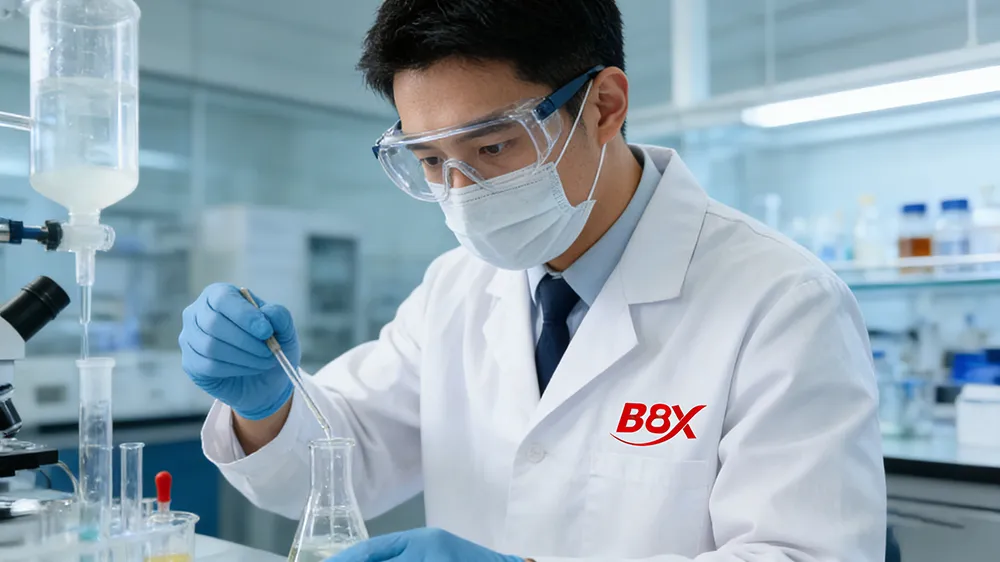
Technical Insights and Trends
Advancements in material science and adhesive technology have led to the development of new and improved formulations. One of the key trends is the development of multifunctional adhesives that offer additional properties beyond just bonding. For example, some adhesives now incorporate thermal management capabilities, providing both bonding and heat dissipation. This is particularly useful in applications where heat management is critical, such as in power electronics and LED lighting.
Another trend is the use of bio-based and sustainable adhesives. As industries strive to reduce their environmental footprint, there is a growing demand for adhesives derived from renewable resources. These adhesives not only reduce the carbon footprint but also offer comparable or even superior performance compared to traditional petroleum-based adhesives.
Furthermore, the integration of smart technologies, such as self-healing and self-sensing adhesives, is an emerging area of research. Self-healing adhesives can repair themselves when damaged, extending the lifespan of the bonded components. Self-sensing adhesives, on the other hand, can detect changes in the bond, such as cracks or delamination, and provide real-time monitoring, enabling predictive maintenance and enhancing safety.
Conclusion
High-performance industrial adhesives are indispensable in the electronics, automotive, and new energy manufacturing sectors. They provide robust, reliable, and versatile bonding solutions that meet the demanding requirements of these industries. As technology continues to advance, the development of new and innovative adhesives will play a crucial role in driving the future of manufacturing. B8X, with its expertise in developing high-performance adhesives, is well-positioned to meet the evolving needs of these industries, ensuring that manufacturers can achieve the highest standards of quality and performance.
Write your comment