Introduction to High-Performance Industrial Adhesives
High-performance industrial adhesives play a crucial role in modern manufacturing, particularly in the electronics, automotive, and new energy sectors. These adhesives are designed to meet stringent requirements for strength, durability, and environmental resistance. In this article, we will delve into the technical aspects, applications, and trends in the use of industrial adhesives, with a focus on their importance in these key industries.
The Role of Industrial Adhesives in Electronics Manufacturing
In the electronics industry, adhesives are essential for bonding components, providing thermal management, and ensuring the reliability of electronic devices. The miniaturization of electronic components and the increasing complexity of circuit boards have driven the demand for advanced adhesives that can perform under extreme conditions.
Key applications include:
- Surface Mount Technology (SMT) bonding: Adhesives are used to secure surface mount components to printed circuit boards (PCBs), ensuring they remain in place during reflow soldering and subsequent handling.
- Conformal coating: Adhesives are applied as a protective layer over PCBs to shield them from environmental factors such as moisture, dust, and corrosive agents.
- Thermal management: Adhesives with high thermal conductivity are used to dissipate heat from power components, improving the overall performance and longevity of electronic devices.
These adhesives must exhibit excellent electrical insulation properties, low outgassing, and high chemical resistance to ensure the integrity and functionality of electronic assemblies.
Industrial Adhesives in Automotive Assembly
The automotive industry relies heavily on industrial adhesives for various applications, from structural bonding to interior and exterior trim. Adhesives offer several advantages over traditional fastening methods, including reduced weight, improved aesthetics, and enhanced durability.
Some of the primary uses of adhesives in automotive manufacturing include:
- Structural bonding: Adhesives are used to join body panels, frames, and other structural components, providing a strong and durable bond that can withstand the rigors of daily use and environmental exposure.
- Sealing and gasketing: Adhesives are applied to create seals and gaskets, preventing the ingress of water, dust, and other contaminants, and ensuring the integrity of the vehicle's structure.
- Interior and exterior trim: Adhesives are used to attach trim pieces, emblems, and other decorative elements, providing a clean and professional finish.
Automotive adhesives must meet strict standards for temperature resistance, vibration dampening, and long-term stability to ensure the safety and performance of the vehicle.
Adhesives in New Energy Solutions
The new energy sector, which includes solar, wind, and battery technologies, is another area where high-performance industrial adhesives are indispensable. These adhesives are used to enhance the efficiency, durability, and reliability of new energy systems.
Key applications in the new energy sector include:
- Solar panel assembly: Adhesives are used to bond solar cells to substrates, encapsulate modules, and seal junction boxes, ensuring the long-term performance and weather resistance of solar panels.
- Wind turbine construction: Adhesives are employed in the assembly of wind turbine blades, nacelles, and other components, providing a strong and durable bond that can withstand harsh environmental conditions.
- Battery pack assembly: Adhesives are used to bond and seal battery cells, modules, and packs, ensuring electrical insulation, thermal management, and protection against mechanical stress and environmental factors.
Adhesives in the new energy sector must possess excellent thermal and electrical conductivity, high mechanical strength, and resistance to UV radiation, moisture, and chemicals.
Trends and Innovations in Industrial Adhesives
The field of industrial adhesives is continuously evolving, driven by the need for more sustainable, efficient, and versatile solutions. Some of the key trends and innovations include:
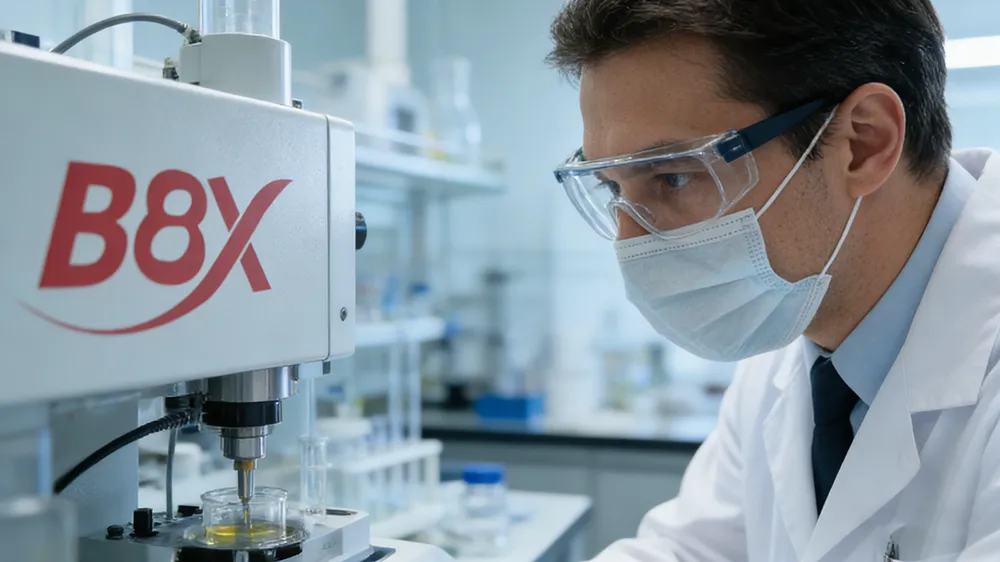
- Biodegradable and eco-friendly adhesives: There is a growing demand for adhesives that are made from renewable resources and have a lower environmental impact. B8X, for example, has been at the forefront of developing biodegradable adhesives that meet the stringent performance requirements of various industries.
- Smart adhesives: These are adhesives that can respond to external stimuli, such as temperature, humidity, or light, and change their properties accordingly. Smart adhesives can be used for self-healing, self-cleaning, and other advanced functionalities.
- High-temperature resistant adhesives: With the increasing use of high-temperature materials in electronics and new energy applications, there is a need for adhesives that can withstand extreme temperatures without degrading. B8X has developed adhesives with exceptional thermal stability, making them ideal for use in high-temperature environments.
These innovations are not only enhancing the performance of industrial adhesives but also contributing to the sustainability and efficiency of manufacturing processes.
Conclusion
High-performance industrial adhesives are essential for the success of modern manufacturing in the electronics, automotive, and new energy sectors. By understanding the specific requirements and applications of these adhesives, manufacturers can select the most suitable products to meet their needs. As the industry continues to evolve, the development of innovative and sustainable adhesives will play a crucial role in driving the future of manufacturing.
Write your comment