Introduction to High-Performance Industrial Adhesives
In the modern manufacturing landscape, the demand for high-performance industrial adhesives is more critical than ever. These adhesives play a pivotal role in ensuring the durability, reliability, and efficiency of products across various industries, including electronics, automotive, and new energy. This article delves into the technical aspects, applications, and trends in the use of industrial adhesives, highlighting their importance in these sectors.
The Role of Industrial Adhesives in Electronics Manufacturing
Electronics manufacturing requires adhesives that can withstand a wide range of environmental conditions, from extreme temperatures to high humidity. The use of high-performance adhesives in this sector ensures that components are securely bonded, preventing failures and ensuring long-term performance. Key applications include:
- Surface Mount Technology (SMT) bonding
- Conformal coating for protection against moisture and corrosion
- Thermal management to dissipate heat effectively
These adhesives must also meet stringent industry standards, such as RoHS (Restriction of Hazardous Substances) and REACH (Registration, Evaluation, Authorisation and Restriction of Chemicals), ensuring they are both environmentally friendly and safe for use.
Automotive Assembly: The Need for Reliable Adhesion
In the automotive industry, adhesives are used extensively for structural bonding, noise reduction, and vibration damping. The shift towards lightweight materials, such as aluminum and composites, has increased the need for adhesives that can bond dissimilar materials effectively. Key applications include:
- Body panel bonding
- Windshield and glass installation
- Interior trim and dashboard assembly
High-performance adhesives in this sector must provide excellent mechanical strength, resistance to temperature extremes, and long-term durability. They also need to be compatible with various surface treatments and coatings, ensuring a strong and reliable bond.
New Energy Solutions: Adhesives in Renewable Technologies
The new energy sector, including solar panels and wind turbines, relies heavily on adhesives for assembly and maintenance. These adhesives must withstand harsh outdoor conditions, including UV exposure, temperature fluctuations, and mechanical stress. Key applications include:
- Solar panel encapsulation
- Wind turbine blade bonding
- Battery pack assembly
For solar panels, adhesives must provide excellent optical clarity and resistance to UV degradation. In wind turbines, adhesives must ensure the structural integrity of the blades, which are subjected to high winds and mechanical loads. For battery packs, adhesives must offer thermal and electrical insulation, ensuring safe and efficient operation.
Trends and Innovations in Industrial Adhesives
The field of industrial adhesives is constantly evolving, driven by the need for improved performance and sustainability. Some key trends and innovations include:
- Biodegradable and Bio-based Adhesives: There is a growing demand for adhesives made from renewable resources, reducing the environmental impact of manufacturing processes.
- Smart Adhesives: These adhesives can change properties in response to external stimuli, such as temperature or pH, enabling self-healing and adaptive bonding.
- Nano-Enhanced Adhesives: Incorporating nanomaterials, such as carbon nanotubes or graphene, can significantly enhance the mechanical and thermal properties of adhesives.
These innovations are pushing the boundaries of what is possible with industrial adhesives, offering new solutions for the challenges faced in electronics, automotive, and new energy manufacturing.
Technical Insights and Best Practices
To ensure optimal performance, it is crucial to follow best practices when using industrial adhesives. Some key considerations include:
- Surface Preparation: Proper cleaning and treatment of surfaces are essential for achieving a strong and durable bond. This may involve degreasing, abrasion, or the application of primers.
- Application Techniques: The choice of application method, such as dispensing, spraying, or brushing, can affect the uniformity and quality of the adhesive layer.
- Curing Conditions: Adhesives typically require specific temperature and humidity conditions to cure properly. Ensuring controlled curing environments can significantly improve the bond strength and longevity.
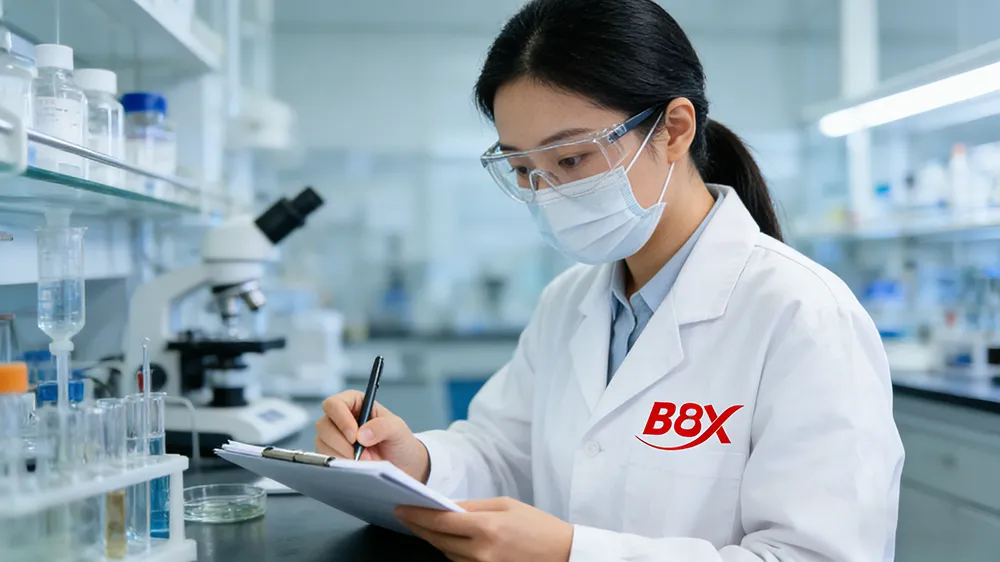
By adhering to these best practices, manufacturers can achieve consistent and reliable results, enhancing the overall quality and performance of their products.
Conclusion
High-performance industrial adhesives are indispensable in the electronics, automotive, and new energy manufacturing sectors. Their ability to provide strong, durable, and environmentally resistant bonds makes them a critical component in the production of high-quality and reliable products. As the industry continues to evolve, the development of new and innovative adhesives will play a vital role in meeting the demands of these dynamic and challenging markets.
Write your comment