Introduction to High-Performance Industrial Adhesives
High-performance industrial adhesives play a crucial role in various sectors, including electronics, automotive, and new energy manufacturing. These adhesives are designed to provide strong, durable, and reliable bonding, even under extreme conditions. This article delves into the technical aspects, applications, and trends in the use of high-performance adhesives in these industries.
The Importance of High-Performance Adhesives in Electronics Manufacturing
In the electronics industry, the reliability and performance of components are paramount. High-performance adhesives are essential for ensuring that electronic devices function optimally over their lifespan. These adhesives must meet stringent requirements, such as thermal stability, electrical insulation, and resistance to environmental factors like moisture and chemicals.
One of the key applications of high-performance adhesives in electronics is in the assembly of printed circuit boards (PCBs). Adhesives are used to secure components, such as resistors, capacitors, and integrated circuits, to the PCB. They must provide a strong bond that can withstand the thermal cycling and mechanical stresses that occur during the manufacturing process and in the field.
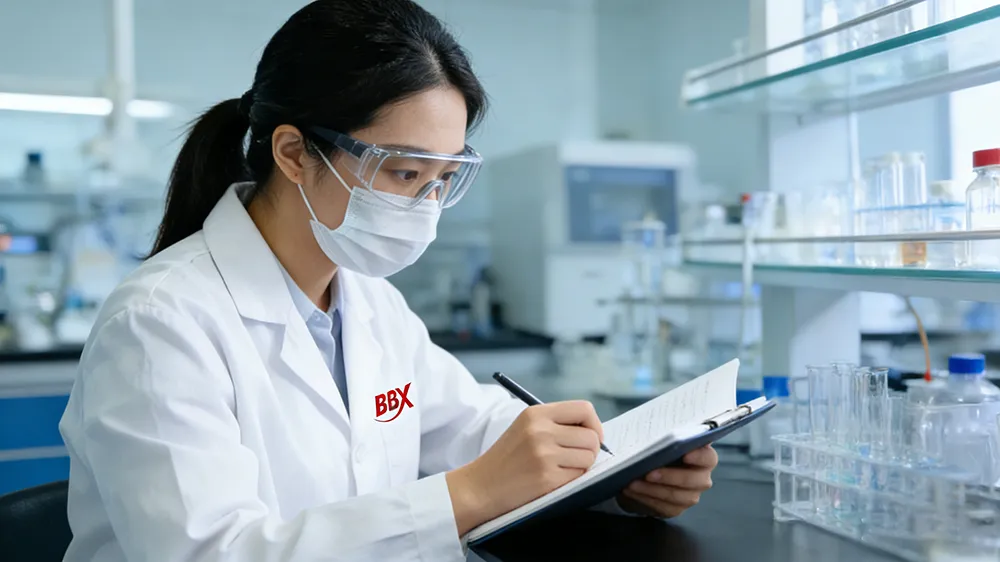
Another critical application is in the encapsulation and potting of electronic components. Encapsulation involves coating or covering components with an adhesive to protect them from environmental damage. Potting, on the other hand, involves filling the entire housing of a component with an adhesive to provide both physical and environmental protection. Both processes require adhesives with excellent thermal and chemical resistance, as well as low outgassing properties to prevent contamination.
High-Performance Adhesives in Automotive Assembly
The automotive industry is another major user of high-performance adhesives. These adhesives are used in a variety of applications, from structural bonding to sealing and noise reduction. The demands on adhesives in this sector are particularly high, as they must withstand the harsh conditions of the road, including temperature extremes, vibrations, and exposure to chemicals and UV radiation.
Structural adhesives are used to bond body panels, reinforce joints, and attach components such as windshields and headlamps. These adhesives must provide a strong, durable bond that can withstand the dynamic loads and impacts experienced by vehicles. Additionally, they must be compatible with the materials used in modern automotive construction, such as aluminum, composites, and advanced high-strength steels.
Sealing and gasketing are also critical applications in automotive manufacturing. Adhesives are used to create seals that prevent the ingress of water, dust, and other contaminants. They must maintain their integrity over the vehicle's lifetime, even when exposed to extreme temperatures and harsh chemicals.
High-Performance Adhesives in New Energy Solutions
The new energy sector, which includes solar, wind, and battery technologies, is rapidly growing and places unique demands on adhesives. In solar panel manufacturing, adhesives are used to bond the various layers of the panel, including the glass, encapsulant, and backsheet. These adhesives must provide a strong, long-lasting bond that can withstand the environmental stresses of outdoor installation, such as UV radiation, temperature fluctuations, and humidity.
In wind turbine manufacturing, adhesives are used in the assembly of blades, nacelles, and other components. These adhesives must provide a robust bond that can withstand the mechanical and environmental stresses of operation, including high winds, temperature changes, and exposure to saltwater in offshore installations.
Battery manufacturing, particularly for electric vehicles (EVs), is another area where high-performance adhesives are essential. Adhesives are used to bond and seal the various components of the battery pack, including the cells, busbars, and cooling systems. These adhesives must provide a strong, reliable bond that can withstand the thermal and mechanical stresses of battery operation, as well as provide electrical insulation and thermal management.
Technical Insights and Trends in High-Performance Adhesives
Advancements in material science and adhesive technology continue to drive innovation in the field of high-performance adhesives. One key trend is the development of adhesives with improved thermal and chemical resistance. For example, adhesives that can withstand higher temperatures and more aggressive chemicals are becoming increasingly important in applications such as electronics and automotive manufacturing.
Another trend is the development of adhesives with enhanced mechanical properties, such as higher tensile strength and elongation. These properties are crucial for applications where the adhesive must withstand significant mechanical loads, such as in structural bonding in the automotive and aerospace industries.
Additionally, there is a growing focus on sustainability in the adhesive industry. This includes the development of adhesives with lower environmental impact, such as those made from renewable resources or with reduced volatile organic compound (VOC) emissions. B8X, for instance, is committed to developing high-performance adhesives that not only meet the technical requirements of various industries but also align with sustainability goals.
Conclusion
High-performance industrial adhesives are essential for ensuring the reliability and performance of products in the electronics, automotive, and new energy sectors. As the demands on these adhesives continue to evolve, so too does the technology behind them. By staying at the forefront of these advancements, manufacturers can ensure that their products meet the highest standards of quality and durability, while also contributing to a more sustainable future.
Write your comment