Introduction
In the demanding world of rail transportation, the reliability and performance of every component are crucial. One such critical component is the threadlocker used to secure bolts and fasteners. This article compares B8X 272, a high-performance threadlocker, with standard threadlockers, focusing on how temperature affects their performance in rail applications.
The Importance of Threadlockers in Rail Applications
Threadlockers play a vital role in ensuring that bolts and fasteners remain securely in place, even under the harshest conditions. In rail applications, these components are subjected to constant vibration, mechanical stress, and a wide range of temperatures. A reliable threadlocker can prevent loosening, which could lead to catastrophic failures.
B8X 272: A Superior Solution
B8X 272 is a high-performance threadlocker specifically designed for use in extreme environments. It offers several advantages over standard threadlockers:
- Temperature Resistance: B8X 272 is engineered to maintain its strength and integrity across a broader temperature range, from -50°C to +150°C. This makes it ideal for rail applications where components may be exposed to both freezing and scorching temperatures.
- Chemical Resistance: The adhesive is resistant to a variety of chemicals, including oils, solvents, and fuels, ensuring long-term performance without degradation.
- High Viscosity: B8X 272 has a higher viscosity than many standard threadlockers, which means it stays in place during application and provides better gap filling capabilities.
- Quick Cure Time: The adhesive cures quickly, reducing assembly time and increasing productivity.
Standard Threadlockers: Limitations in Rail Applications
While standard threadlockers are widely used, they often fall short in rail applications due to several limitations:
- Limited Temperature Range: Most standard threadlockers are not designed to withstand the extreme temperature variations found in rail environments. They may become brittle at low temperatures or lose their strength at high temperatures.
- Poor Chemical Resistance: Standard threadlockers can degrade when exposed to common chemicals, leading to a loss of effectiveness over time.
- Lower Viscosity: Lower viscosity means that the adhesive may run or drip during application, making it difficult to apply precisely and effectively.
- Slower Cure Time: Standard threadlockers often require longer cure times, which can slow down the assembly process and reduce overall efficiency.
Case Study: B8X 272 in Action
One of our clients, a leading rail manufacturer, switched from a standard threadlocker to B8X 272 after experiencing frequent issues with bolt loosening in their rail cars. After implementing B8X 272, they reported a significant reduction in maintenance calls and an increase in the overall reliability of their rail systems.
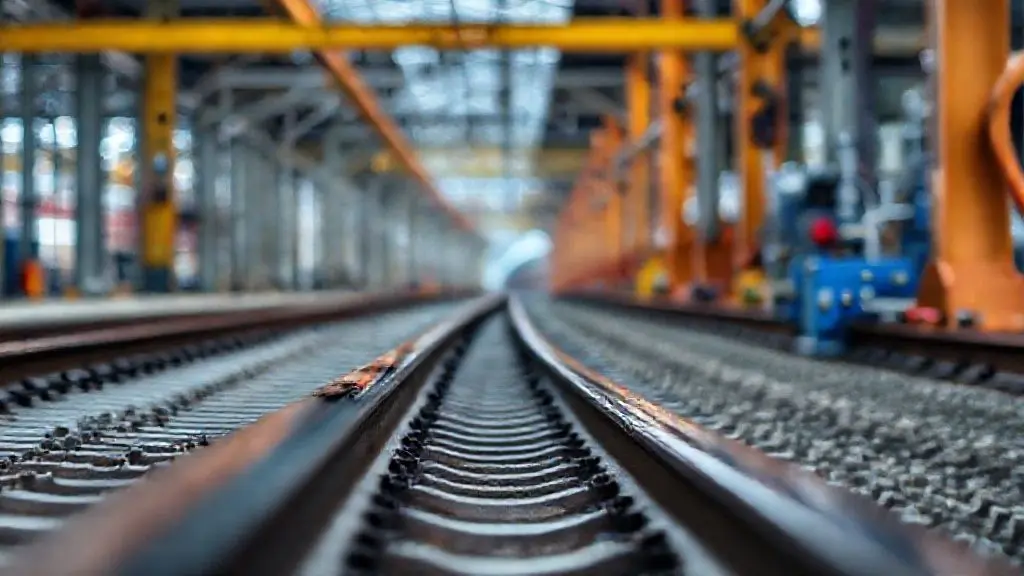
Image Caption: B8X 272 being applied to a critical rail component, ensuring long-term reliability and performance.
Conclusion
When it comes to rail applications, the choice of threadlocker can make a significant difference in the reliability and longevity of the system. B8X 272 stands out as a superior solution, offering enhanced temperature resistance, chemical resistance, and other key advantages over standard threadlockers. By choosing B8X 272, rail manufacturers can ensure that their systems remain secure and reliable, even in the most challenging conditions.
Write your comment