Introduction to High-Performance Industrial Adhesives
High-performance industrial adhesives play a crucial role in various sectors, including electronics, automotive, and new energy manufacturing. These adhesives are designed to meet the stringent demands of these industries, providing reliable bonding, durability, and resistance to environmental factors.
Applications in Electronics Manufacturing
In the electronics industry, adhesives are essential for assembling and protecting sensitive components. They are used in applications such as:
- Surface Mount Technology (SMT) assembly
- Conformal coating for circuit boards
- Bonding and encapsulation of sensors and microelectronic devices
These adhesives must provide excellent thermal and electrical conductivity, low outgassing, and high resistance to moisture and chemicals.
Automotive Assembly and Adhesive Solutions
The automotive industry relies on high-performance adhesives for structural bonding, sealing, and noise reduction. Key applications include:
- Body panel bonding
- Sealing of windows and doors
- Attachment of interior trim and components
Adhesives used in automotive applications must withstand extreme temperatures, vibrations, and exposure to harsh environments. They also need to be compatible with various substrates, including metals, plastics, and composites.
New Energy Manufacturing and Adhesive Innovations
In the new energy sector, particularly in the production of solar panels and wind turbines, adhesives are vital for ensuring the longevity and efficiency of these systems. Applications include:
- Bonding of photovoltaic cells
- Sealing and potting of battery packs
- Assembly of wind turbine blades
Adhesives in this sector must offer high strength, excellent weather resistance, and the ability to bond dissimilar materials. Additionally, they should be able to withstand the mechanical stresses and environmental conditions typical of renewable energy installations.
Technical Insights and Considerations
When selecting an industrial adhesive, several technical factors must be considered to ensure optimal performance:
- Chemical Resistance: The adhesive must resist degradation from exposure to solvents, oils, and other chemicals.
- Thermal Stability: Adhesives should maintain their properties over a wide temperature range, from extremely cold to very hot conditions.
- Mechanical Strength: The adhesive must provide sufficient tensile, shear, and peel strength to meet the application's requirements.
- Cure Time and Method: The curing process, whether through heat, UV light, or chemical reaction, should be compatible with the manufacturing process.
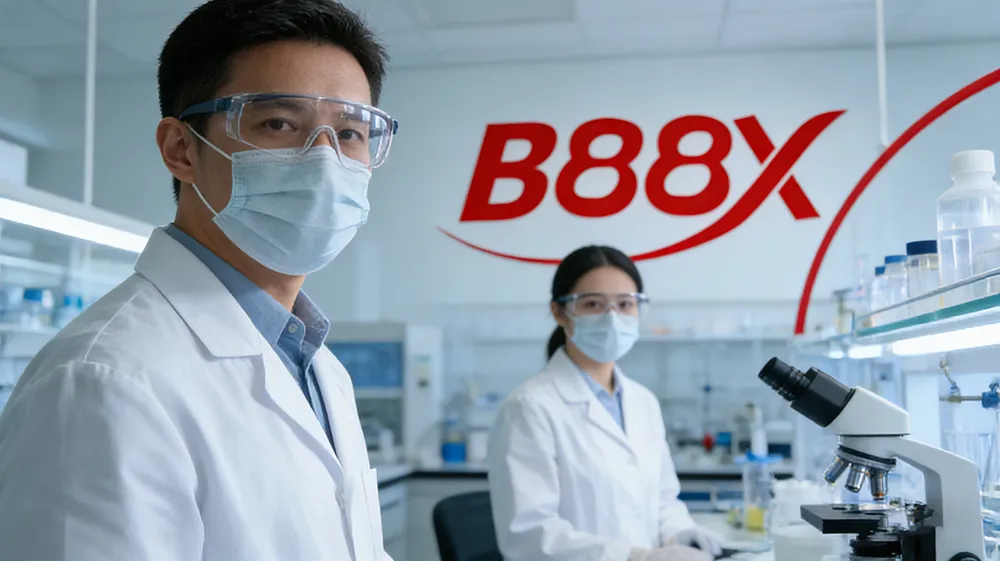
Advanced adhesives, such as those developed by B8X, are formulated to meet these stringent requirements, ensuring reliable and long-lasting bonds in demanding industrial environments.
Future Trends in Industrial Adhesives
The future of industrial adhesives is driven by the need for more sustainable and environmentally friendly solutions. Trends include:
- Biodegradable Adhesives: Development of adhesives that can decompose naturally without harming the environment.
- Smart Adhesives: Adhesives that can change their properties in response to external stimuli, such as temperature or humidity.
- High-Performance Composites: Adhesives that can bond advanced composite materials, which are increasingly used in aerospace and automotive applications.
As the demand for high-performance, sustainable adhesives grows, companies like B8X are at the forefront of innovation, developing solutions that meet the evolving needs of the electronics, automotive, and new energy industries.
Conclusion
High-performance industrial adhesives are indispensable in modern manufacturing, providing the necessary strength, durability, and versatility required in electronics, automotive, and new energy applications. By understanding the specific requirements and technical considerations, manufacturers can select the right adhesive to ensure the success and longevity of their products.
Write your comment