Advancements in Industrial Adhesives for Electronics, Automotive, and New Energy Manufacturing
Industrial adhesives play a crucial role in the manufacturing of electronics, automotive, and new energy solutions. These adhesives are designed to provide high-strength bonding, durability, and resistance to environmental factors. As technology advances, so do the requirements and capabilities of these adhesives. This article explores the latest trends, applications, and technical insights in the field of industrial adhesives.
The Role of Industrial Adhesives in Electronics Manufacturing
In the electronics industry, industrial adhesives are used for a variety of applications, including bonding, sealing, and encapsulation. These adhesives must meet stringent requirements for thermal conductivity, electrical insulation, and chemical resistance. For example, in the production of printed circuit boards (PCBs), adhesives are used to secure components and protect them from environmental factors such as moisture, dust, and temperature fluctuations.
One of the key challenges in electronics manufacturing is the miniaturization of devices. As electronic components become smaller and more complex, the demand for high-precision, low-outgassing adhesives increases. These adhesives must be able to bond dissimilar materials, such as metals, plastics, and ceramics, while maintaining their integrity under extreme conditions.
Automotive Applications and Requirements
The automotive industry is another major user of industrial adhesives. In this sector, adhesives are used for structural bonding, noise and vibration damping, and sealing. The primary goal is to enhance the safety, performance, and longevity of vehicles. For instance, adhesives are used to bond body panels, reinforce joints, and seal gaps to prevent water and air leaks.
Modern automotive adhesives must also comply with stringent safety and environmental regulations. They need to be resistant to chemicals, fuels, and UV radiation, and they must maintain their strength and flexibility over the vehicle's lifespan. Additionally, the push towards lightweight materials, such as aluminum and composites, has led to the development of adhesives that can bond these materials effectively without compromising structural integrity.
New Energy Solutions: Adhesives in Renewable Energy Manufacturing
The new energy sector, which includes solar, wind, and battery technologies, is rapidly growing. Industrial adhesives play a vital role in the manufacturing and assembly of these renewable energy systems. For example, in the production of solar panels, adhesives are used to bond the glass, encapsulant, and backsheet, ensuring the panel's durability and efficiency.
Wind turbines also rely on adhesives for the assembly of blades, nacelles, and other components. These adhesives must withstand harsh environmental conditions, including high winds, temperature variations, and exposure to saltwater in offshore installations. In the battery industry, adhesives are used for cell-to-cell bonding, thermal management, and sealing, contributing to the overall performance and safety of the battery packs.
Technical Insights and Future Trends
As the demand for high-performance adhesives continues to grow, manufacturers are focusing on developing products that offer improved properties and sustainability. One trend is the use of bio-based and biodegradable adhesives, which reduce the environmental impact of manufacturing processes. These adhesives are made from renewable resources and can be decomposed naturally, making them an attractive option for eco-conscious industries.
Another area of innovation is the development of smart adhesives, which can change their properties in response to external stimuli such as temperature, light, or mechanical stress. These adhesives have the potential to revolutionize various applications, from self-healing electronics to adaptive automotive components.
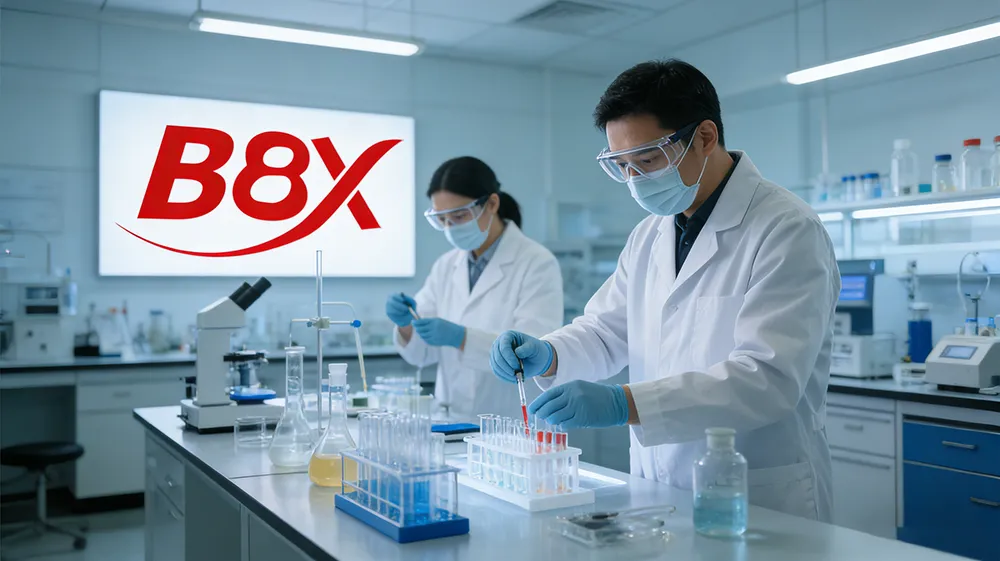
Additionally, the integration of nanotechnology in adhesives is leading to the creation of materials with enhanced mechanical, thermal, and electrical properties. Nanoparticles, such as carbon nanotubes and graphene, can be incorporated into adhesives to improve their strength, conductivity, and durability. This is particularly relevant for applications in electronics and new energy, where high-performance and reliability are critical.
At B8X, our commitment to innovation and quality ensures that we stay at the forefront of these technological advancements. Our team of experts continuously works on developing adhesives that meet the evolving needs of the electronics, automotive, and new energy sectors. By leveraging our extensive experience and cutting-edge research, we aim to provide solutions that not only meet but exceed industry standards.
Conclusion
Industrial adhesives are essential in the manufacturing of electronics, automotive, and new energy solutions. As the industry evolves, the demand for high-performance, sustainable, and intelligent adhesives continues to grow. By staying abreast of the latest trends and innovations, manufacturers like B8X can deliver adhesives that meet the rigorous demands of these sectors, driving the future of manufacturing forward.
Write your comment