Introduction to High-Performance Industrial Adhesives
High-performance industrial adhesives play a crucial role in various sectors, including electronics, automotive, and new energy manufacturing. These adhesives are designed to meet stringent requirements for strength, durability, and resistance to environmental factors. In this article, we will delve into the technical aspects, applications, and trends in the use of industrial adhesives in these industries.
Understanding Industrial Adhesives
Industrial adhesives are specialized bonding agents that provide strong, durable, and reliable connections between different materials. They are formulated to withstand extreme conditions, such as high temperatures, mechanical stress, and chemical exposure. The key properties of high-performance adhesives include:
- High Strength and Durability: Adhesives must maintain their bond strength over time, even under harsh conditions.
- Chemical Resistance: They should resist degradation from exposure to solvents, oils, and other chemicals.
- Thermal Stability: Adhesives need to perform well at both high and low temperatures, maintaining their integrity and bond strength.
- Fast Curing: Quick curing times are essential for efficient manufacturing processes.
Applications in Electronics Manufacturing
In the electronics industry, adhesives are used for a variety of applications, including:
- Component Bonding: Adhesives are used to bond components such as semiconductors, capacitors, and resistors to circuit boards.
- Encapsulation: They protect sensitive electronic components from environmental factors like moisture, dust, and mechanical stress.
- Conformal Coating: Adhesives are applied as a thin, protective layer to insulate and protect printed circuit boards (PCBs) from environmental contaminants.
For example, in the production of smartphones, adhesives are used to bond the display to the frame, ensuring a secure and durable connection. The adhesives must also be compatible with the materials used, such as glass, metal, and plastic, and must not interfere with the device's functionality.
Applications in Automotive Assembly
The automotive industry relies heavily on industrial adhesives for various applications, including:
- Structural Bonding: Adhesives are used to bond body panels, frames, and other structural components, providing a strong and lightweight alternative to traditional fastening methods.
- Sealing: They are used to seal joints and seams, preventing water, air, and noise from entering the vehicle.
- Interior Trim: Adhesives are used to attach interior trim components, such as door panels, dashboards, and headliners, ensuring a clean and seamless appearance.
For instance, in the assembly of electric vehicles (EVs), adhesives are used to bond battery packs to the vehicle's chassis, ensuring a secure and long-lasting connection. The adhesives must also be resistant to the high temperatures generated by the battery and the potential exposure to coolant fluids.
Applications in New Energy Solutions
The new energy sector, including solar and wind power, also benefits from the use of high-performance industrial adhesives. Some key applications include:
- Solar Panel Assembly: Adhesives are used to bond solar cells to the backing material, ensuring a strong and durable connection that can withstand outdoor conditions.
- Wind Turbine Blade Bonding: Adhesives are used to bond the composite materials that make up wind turbine blades, providing a strong and lightweight structure that can withstand the forces of wind and weather.
- Battery Pack Assembly: In the production of energy storage systems, adhesives are used to bond the individual battery cells and modules, ensuring a secure and reliable connection.
For example, in the construction of large-scale solar farms, adhesives are used to bond the solar panels to the mounting structures, ensuring a stable and long-lasting installation. The adhesives must be able to withstand the harsh outdoor conditions, including UV radiation, temperature fluctuations, and mechanical stress.
Trends in Industrial Adhesive Technology
The field of industrial adhesives is continuously evolving, driven by the need for more advanced and sustainable solutions. Some of the key trends in adhesive technology include:
- Biodegradable and Eco-Friendly Adhesives: There is a growing demand for adhesives that are environmentally friendly and can be easily disposed of or recycled. B8X, for example, has developed adhesives that are biodegradable and have a lower environmental impact.
- Smart Adhesives: These adhesives can change their properties in response to external stimuli, such as temperature, light, or pH. This allows for more versatile and adaptable bonding solutions in various applications.
- Nano-Enhanced Adhesives: The incorporation of nanomaterials, such as carbon nanotubes or graphene, can significantly enhance the strength and durability of adhesives. These materials can also improve the thermal and electrical conductivity of the adhesive, making them suitable for advanced applications.
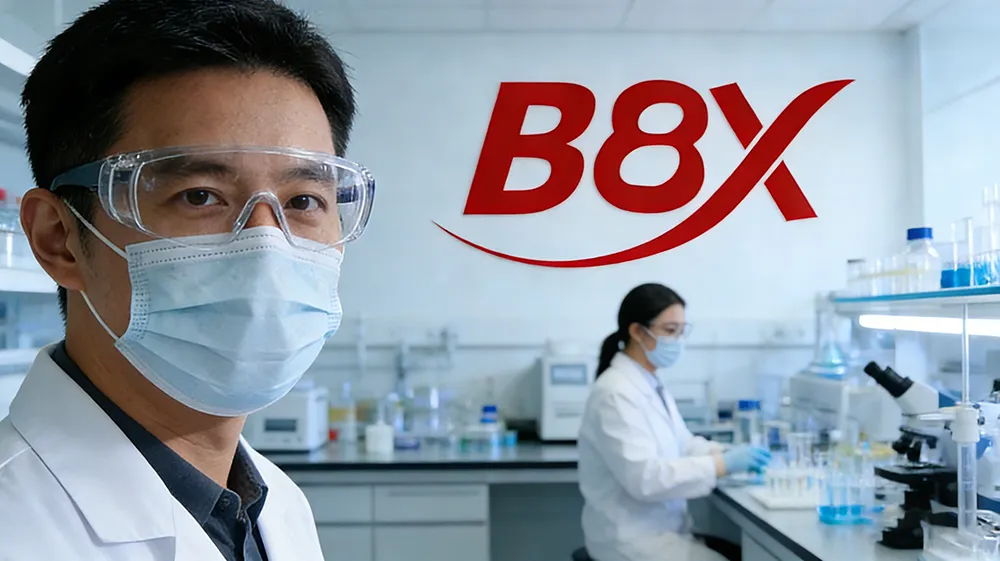
As the demand for high-performance adhesives continues to grow, manufacturers like B8X are at the forefront of developing innovative solutions that meet the needs of the electronics, automotive, and new energy industries. By leveraging advanced materials and technologies, B8X is able to provide adhesives that offer superior performance, reliability, and sustainability.
Conclusion
High-performance industrial adhesives are essential for the success of electronics, automotive, and new energy manufacturing. Their ability to provide strong, durable, and reliable bonds makes them indispensable in these industries. As technology continues to advance, the development of new and improved adhesives will play a critical role in meeting the challenges of the future. B8X, with its focus on innovation and sustainability, is well-positioned to lead the way in the field of industrial adhesives.
Write your comment