Introduction to High-Performance Industrial Adhesives
High-performance industrial adhesives play a crucial role in various manufacturing sectors, including electronics, automotive, and new energy. These adhesives are designed to meet stringent requirements for strength, durability, and environmental resistance. In this article, we will delve into the technical aspects, applications, and trends in the use of industrial adhesives, with a focus on the needs of these key industries.
Understanding Industrial Adhesives
Industrial adhesives are specialized bonding agents that provide strong, durable, and reliable connections between different materials. They are used in a wide range of applications, from structural bonding to thermal management. The performance of these adhesives is influenced by several factors, including the type of adhesive, the materials being bonded, and the environmental conditions they will be exposed to.
Types of Industrial Adhesives
There are several types of industrial adhesives, each with its own set of properties and applications. The most common types include:
- Epoxy Adhesives: Known for their high strength and excellent chemical resistance, epoxy adhesives are widely used in structural bonding applications.
- Acrylic Adhesives: These adhesives offer good flexibility and impact resistance, making them suitable for bonding dissimilar materials.
- Cyanoacrylate Adhesives (Super Glues): Fast-setting and highly versatile, cyanoacrylates are ideal for small, precise bonding applications.
- Polyurethane Adhesives: These adhesives provide excellent flexibility and are often used in applications requiring vibration and impact resistance.
Applications in Electronics Manufacturing
In the electronics industry, adhesives are essential for ensuring the reliability and performance of electronic devices. They are used in various applications, such as:
- Conformal Coatings: Protecting circuit boards from moisture, dust, and other environmental contaminants.
- Thermal Management: Conductive adhesives help dissipate heat away from sensitive components, improving overall device performance.
- Structural Bonding: Securing components and assemblies, ensuring they remain in place even under harsh conditions.
Applications in Automotive Assembly
The automotive industry relies heavily on industrial adhesives for both structural and non-structural applications. Some key uses include:
- Body Panel Bonding: Adhesives are used to bond body panels, providing a strong, lightweight alternative to traditional welding.
- Sealing and Gasketing: Ensuring airtight and watertight seals in critical areas, such as engine compartments and door frames.
- Interior Trim and Components: Adhesives are used to secure interior trim, dashboard components, and other parts, enhancing the overall aesthetics and functionality of the vehicle.
Applications in New Energy Solutions
New energy solutions, including solar panels and wind turbines, also benefit from the use of high-performance industrial adhesives. These adhesives are used in:
- Solar Panel Assembly: Bonding and sealing solar cells, frames, and back sheets to ensure long-term durability and efficiency.
- Wind Turbine Blade Bonding: Providing strong, reliable bonds between composite materials, ensuring the structural integrity of the blades.
- Battery Pack Assembly: Securing battery cells and modules, and providing thermal management solutions to enhance safety and performance.
Trends and Innovations
The field of industrial adhesives is continuously evolving, driven by the need for more sustainable, efficient, and high-performing solutions. Some of the key trends and innovations include:
- Biodegradable Adhesives: Development of environmentally friendly adhesives that can decompose naturally, reducing waste and environmental impact.
- Smart Adhesives: Adhesives that can change their properties in response to external stimuli, such as temperature or humidity, offering enhanced functionality.
- Advanced Formulations: New formulations that provide improved adhesion, faster curing times, and better resistance to extreme conditions.
Conclusion
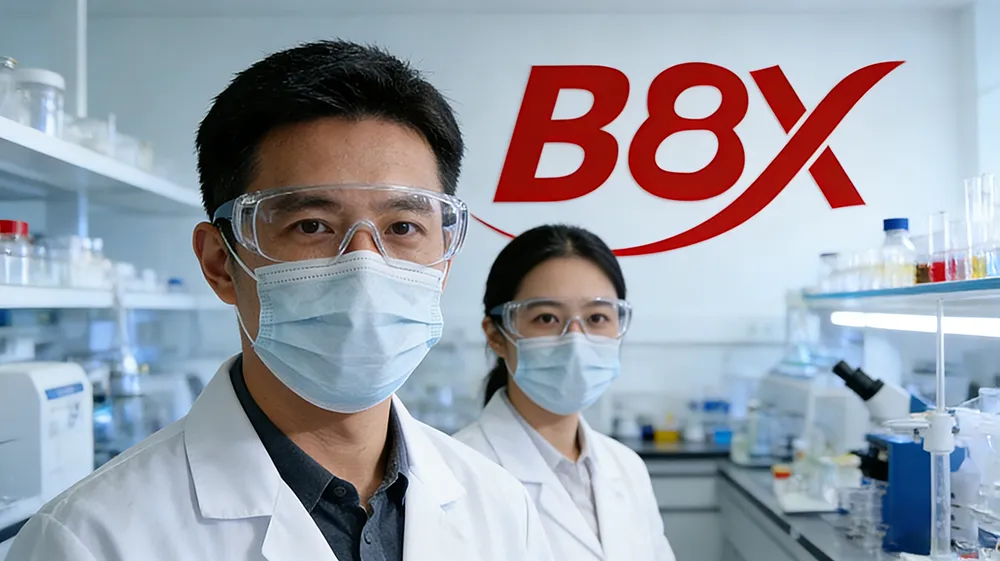
High-performance industrial adhesives are indispensable in modern manufacturing, particularly in the electronics, automotive, and new energy sectors. By understanding the technical aspects, applications, and trends in this field, manufacturers can make informed decisions to enhance the quality and reliability of their products. B8X, with its expertise in developing advanced adhesive solutions, is well-positioned to meet the evolving needs of these industries, ensuring that manufacturers can achieve the highest standards of performance and durability.
Write your comment