Introduction to High-Performance Industrial Adhesives
High-performance industrial adhesives play a crucial role in various manufacturing sectors, including electronics, automotive, and new energy. These adhesives are designed to meet stringent requirements for strength, durability, and resistance to environmental factors. This article delves into the technical aspects, applications, and trends in the use of industrial adhesives in these industries.
The Role of Industrial Adhesives in Electronics Manufacturing
In the electronics industry, adhesives are essential for bonding components, providing thermal management, and ensuring electrical insulation. The miniaturization of electronic devices and the increasing complexity of circuit boards have driven the demand for adhesives that can withstand high temperatures, resist chemicals, and provide reliable long-term performance.
Key applications in electronics include:
- Die attach: Bonding semiconductor chips to substrates or lead frames.
- Conformal coating: Protecting printed circuit boards (PCBs) from moisture, dust, and other contaminants.
- Underfill: Enhancing the mechanical and thermal stability of flip-chip and ball grid array (BGA) assemblies.
Industrial adhesives used in electronics must meet specific criteria, such as low outgassing, high thermal conductivity, and excellent adhesion to a variety of substrates.
Adhesives in Automotive Assembly
The automotive industry relies heavily on industrial adhesives for structural bonding, noise and vibration reduction, and sealing. Adhesives offer advantages over traditional fastening methods, such as welding and riveting, by reducing weight, improving aesthetics, and enhancing overall vehicle performance.
Some of the key applications in automotive assembly include:
- Body-in-white (BIW) bonding: Joining metal sheets and panels to form the vehicle's body structure.
- Windshield and glass bonding: Ensuring a secure and weather-tight seal for windows and windshields.
- Interior trim bonding: Attaching door panels, dashboards, and other interior components.
Automotive adhesives must be able to withstand a wide range of temperatures, resist corrosion, and maintain their properties over the vehicle's lifespan. They also need to comply with safety standards and regulations, such as those set by the European Union's End of Life Vehicles (ELV) directive.
Adhesives in New Energy Solutions
The new energy sector, encompassing solar, wind, and battery technologies, is another area where high-performance industrial adhesives are indispensable. These adhesives are used to bond and seal components, provide thermal management, and ensure the longevity and reliability of energy systems.
Key applications in new energy solutions include:
- Solar panel assembly: Bonding and sealing solar cells, back sheets, and frames.
- Wind turbine blade bonding: Joining composite materials to create strong, durable blades.
- Battery pack assembly: Securing and protecting battery cells, connectors, and cooling systems.
Adhesives used in new energy applications must be able to withstand harsh environmental conditions, such as UV exposure, temperature fluctuations, and mechanical stress. They also need to provide excellent electrical insulation and thermal conductivity to ensure optimal performance and safety.
Technical Insights and Trends
Advancements in material science and formulation techniques have led to the development of more specialized and high-performance adhesives. Some of the key trends and innovations in the field include:
- Biodegradable and eco-friendly adhesives: As sustainability becomes a priority, there is a growing demand for adhesives that are biodegradable and made from renewable resources.
- Smart adhesives: These adhesives can change their properties in response to external stimuli, such as temperature, pH, or light, enabling self-healing and adaptive bonding.
- High-temperature resistant adhesives: With the increasing use of high-temperature processes in manufacturing, there is a need for adhesives that can withstand extreme heat without degrading.
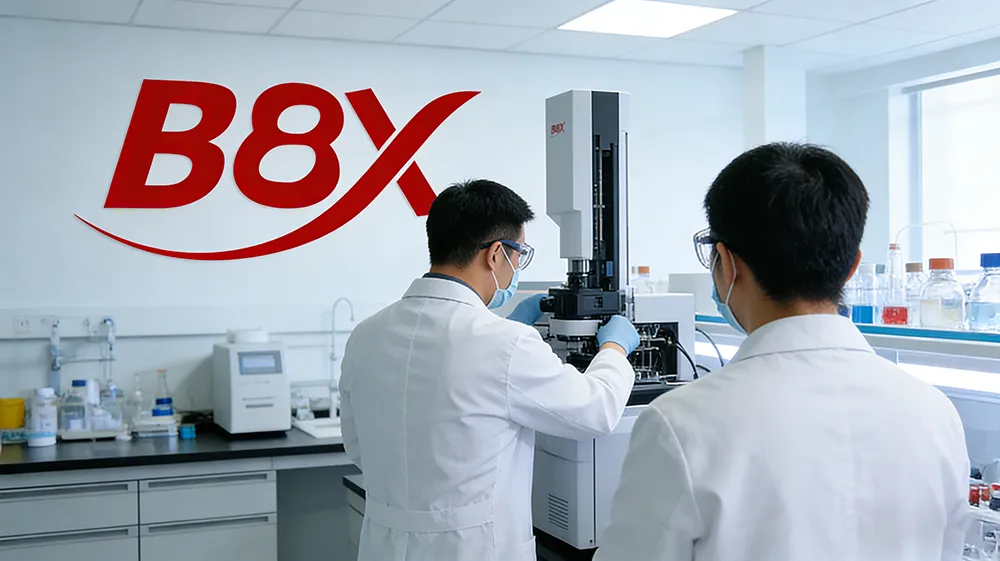
Companies like B8X are at the forefront of developing and providing high-performance industrial adhesives that meet the rigorous demands of these industries. By leveraging advanced technologies and a deep understanding of application-specific requirements, B8X continues to drive innovation and deliver reliable solutions.
Conclusion
High-performance industrial adhesives are essential for the success of electronics, automotive, and new energy manufacturing. Their ability to provide strong, durable, and versatile bonding solutions makes them indispensable in these industries. As technology advances and new challenges emerge, the continuous development of innovative adhesives will play a critical role in driving the future of manufacturing.
Write your comment