The Critical Role of High-Performance Industrial Adhesives in Electronics, Automotive, and New Energy Manufacturing
High-performance industrial adhesives play a pivotal role in modern manufacturing, particularly in the electronics, automotive, and new energy sectors. These adhesives are designed to provide robust bonding, thermal management, and environmental resistance, making them indispensable in ensuring the reliability and longevity of products.
Understanding the Importance of Industrial Adhesives
Industrial adhesives are engineered to meet the stringent requirements of various industries. They offer superior bonding strength, chemical resistance, and thermal stability, which are essential for maintaining the integrity of components and assemblies. In the context of B8X, these adhesives are formulated to deliver reliable performance in challenging environments, such as high temperatures, mechanical stress, and exposure to harsh chemicals.
Applications in Electronics Manufacturing
In the electronics industry, adhesives are used for a wide range of applications, including:
- Chip bonding: Adhesives are used to attach semiconductor chips to substrates, ensuring both electrical and mechanical connections.
- Conformal coating: Adhesives protect printed circuit boards (PCBs) from moisture, dust, and other environmental contaminants.
- Thermal management: Adhesives with high thermal conductivity are used to dissipate heat from electronic components, preventing overheating and extending the lifespan of devices.
For example, in the production of smartphones and other consumer electronics, adhesives must provide strong, durable bonds that can withstand the rigors of daily use. Additionally, they must be compatible with the materials used in these devices, such as plastics, metals, and ceramics.
Automotive Assembly: Ensuring Safety and Reliability
In the automotive industry, adhesives are crucial for ensuring the safety and reliability of vehicles. They are used in various applications, such as:
- Structural bonding: Adhesives are used to join body panels, reducing the need for traditional welding and improving the overall structural integrity of the vehicle.
- Interior assembly: Adhesives are used to bond interior components, such as dashboards, door panels, and seats, providing a seamless and durable finish.
- Sealing and gasketing: Adhesives are used to create seals and gaskets that prevent the ingress of water, dust, and other contaminants, ensuring the longevity of the vehicle's components.
For instance, in the assembly of electric vehicles (EVs), adhesives must not only provide strong bonds but also be resistant to the high temperatures generated by the battery and motor systems. This is where high-performance adhesives, like those developed by B8X, come into play, offering the necessary thermal and chemical resistance.
New Energy Solutions: Driving Innovation in Renewable Technologies
The new energy sector, which includes solar, wind, and battery technologies, relies heavily on advanced adhesives to ensure the efficiency and durability of renewable energy systems. Some key applications include:
- Solar panel assembly: Adhesives are used to bond solar cells to the backsheet and frame, ensuring long-term performance and weather resistance.
- Wind turbine manufacturing: Adhesives are used to bond and seal components in wind turbines, providing protection against environmental factors and mechanical stress.
- Battery pack assembly: Adhesives are used to bond and seal battery cells, ensuring electrical insulation and thermal management.
For example, in the production of solar panels, adhesives must provide strong, durable bonds that can withstand the harsh conditions of outdoor environments, including UV radiation, temperature fluctuations, and moisture. Similarly, in the manufacturing of lithium-ion batteries, adhesives must provide excellent thermal conductivity and electrical insulation to ensure safe and efficient operation.
Technical Insights and Trends
As the demand for high-performance adhesives continues to grow, several trends and innovations are shaping the industry:
- Advanced formulations: New chemistries and additives are being developed to enhance the performance of adhesives, such as improved thermal conductivity, chemical resistance, and curing times.
- Automation and robotics: The integration of automation and robotics in adhesive application processes is increasing, leading to more precise and consistent bonding.
- Sustainability: There is a growing focus on developing eco-friendly adhesives that are biodegradable, recyclable, or made from renewable resources.
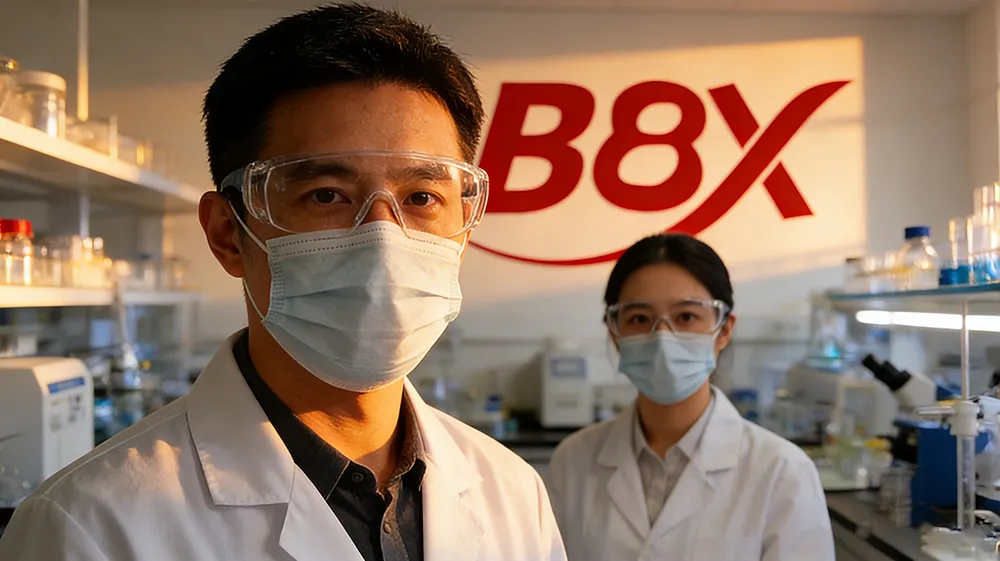
For instance, B8X is at the forefront of developing innovative adhesives that meet the evolving needs of the industry. Their products are designed to provide superior performance while also addressing environmental concerns, such as reducing the use of volatile organic compounds (VOCs) and minimizing waste.
Conclusion
High-performance industrial adhesives are essential for ensuring the reliability and longevity of products in the electronics, automotive, and new energy sectors. By providing strong, durable bonds and exceptional environmental resistance, these adhesives play a critical role in driving innovation and improving the performance of modern manufacturing. As the industry continues to evolve, the development of advanced adhesives will remain a key focus, enabling manufacturers to meet the challenges of the future.
Write your comment