Introduction to High-Performance Industrial Adhesives
High-performance industrial adhesives play a crucial role in various manufacturing sectors, including electronics, automotive, and new energy. These adhesives are designed to provide strong, durable, and reliable bonds that can withstand harsh conditions, such as extreme temperatures, chemical exposure, and mechanical stress. In this article, we will explore the key characteristics, applications, and technical considerations of high-performance industrial adhesives.
Key Characteristics of High-Performance Industrial Adhesives
High-performance industrial adhesives are engineered to meet the stringent requirements of modern manufacturing. Some of the key characteristics include:
- High Bond Strength: These adhesives provide strong and durable bonds that can withstand significant loads and stresses.
- Temperature Resistance: They are capable of maintaining their performance across a wide range of temperatures, from very low to very high.
- Chemical Resistance: High-performance adhesives resist degradation from exposure to chemicals, oils, and solvents.
- Flexibility and Toughness: They offer the necessary flexibility to accommodate movement and vibration while maintaining bond integrity.
- Fast Curing: Many high-performance adhesives cure quickly, reducing production time and increasing efficiency.
Applications in Electronics Manufacturing
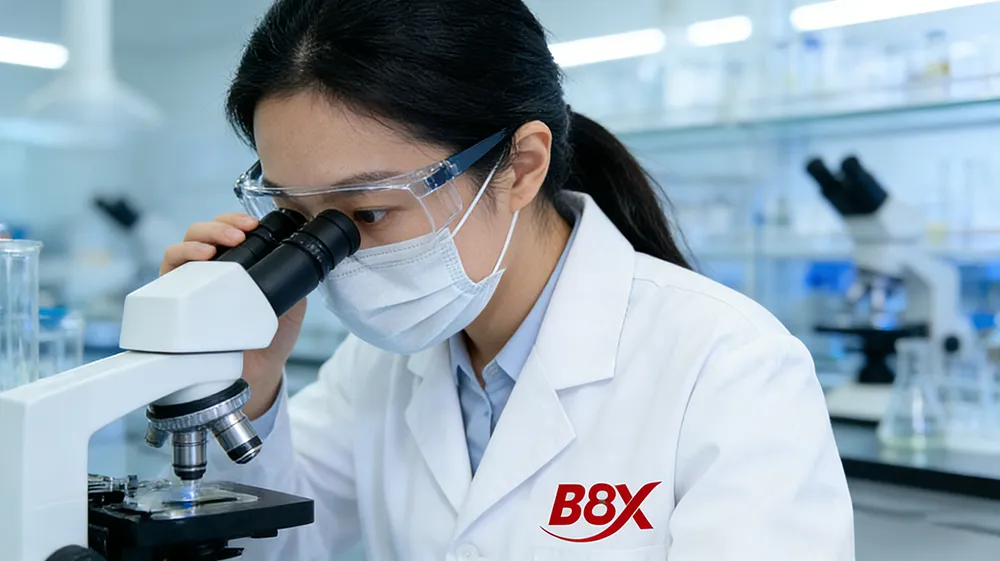
In the electronics industry, high-performance adhesives are essential for assembling and protecting sensitive components.
- Chip Bonding: Adhesives are used to attach semiconductor chips to substrates, ensuring reliable electrical connections and thermal management.
- Conformal Coatings: They provide a protective layer over printed circuit boards (PCBs) to shield them from environmental factors like moisture, dust, and corrosive gases.
- Underfilling: Adhesives are applied under surface-mount devices (SMDs) to enhance mechanical stability and protect against thermal cycling.
- Encapsulation: They are used to encapsulate electronic components, providing protection against physical and environmental damage.
Applications in Automotive Assembly
The automotive industry relies on high-performance adhesives for structural bonding, sealing, and noise reduction. These adhesives are used in various applications, such as:
- Body Panel Bonding: Adhesives are used to bond body panels, providing a strong and lightweight alternative to traditional welding methods.
- Sealing and Gasketing: They are used to create seals and gaskets that prevent fluid leaks and protect against environmental contaminants.
- Interior Trim and Upholstery: Adhesives are used to attach interior components, such as trim pieces, headliners, and upholstery, ensuring a secure and aesthetically pleasing finish.
- Windshield and Glass Bonding: They are used to bond windshields and other glass components, providing a strong and durable seal.
Applications in New Energy Solutions
New energy solutions, such as solar panels and battery systems, also benefit from high-performance industrial adhesives. These adhesives are used in various applications, such as:
- Solar Panel Assembly: Adhesives are used to bond solar cells to the backsheet and frame, ensuring long-term durability and performance.
- Battery Pack Assembly: They are used to bond and seal battery cells, providing a secure and reliable connection while protecting against environmental factors.
- Thermal Management: Adhesives with high thermal conductivity are used to dissipate heat from components, improving the overall efficiency and lifespan of new energy systems.
- Structural Bonding: They are used to bond and reinforce structural components in new energy systems, ensuring they can withstand the rigors of operation.
Technical Considerations for High-Performance Adhesives
When selecting and using high-performance industrial adhesives, several technical considerations must be taken into account to ensure optimal performance and reliability. These include:
- Material Compatibility: It is essential to choose an adhesive that is compatible with the materials being bonded. Factors such as surface preparation, substrate type, and potential chemical interactions must be considered.
- Curing Conditions: The curing process, including temperature, humidity, and time, can significantly impact the adhesive's performance. Proper curing conditions must be maintained to achieve the desired bond strength and durability.
- Viscosity and Flow Properties: The viscosity and flow properties of the adhesive should be suitable for the application method and the gap between the substrates. This ensures proper wetting and coverage of the bonding surfaces.
- Health and Safety: High-performance adhesives may contain hazardous materials. Proper handling, storage, and disposal procedures must be followed to ensure the safety of workers and the environment.
Conclusion
High-performance industrial adhesives are indispensable in modern manufacturing, providing strong, durable, and reliable bonds in a wide range of applications. By understanding the key characteristics, applications, and technical considerations, manufacturers can select and use these adhesives effectively to enhance the performance and longevity of their products. B8X, with its expertise in high-performance bonding, continues to innovate and provide solutions that meet the evolving needs of the electronics, automotive, and new energy industries.
Write your comment