Introduction to High-Performance Industrial Adhesives
High-performance industrial adhesives play a crucial role in various manufacturing sectors, including electronics, automotive, and new energy. These adhesives are designed to provide strong, durable, and reliable bonding solutions that can withstand harsh environmental conditions and mechanical stresses. In this article, we will delve into the technical aspects, applications, and trends in the use of industrial adhesives in these industries.
Technical Insights into Industrial Adhesives
Industrial adhesives are formulated to meet specific performance requirements, such as high strength, thermal stability, chemical resistance, and flexibility. The choice of adhesive depends on the materials being bonded, the operating environment, and the desired service life. Common types of industrial adhesives include epoxy, polyurethane, acrylic, and silicone-based adhesives.
Epoxy adhesives, for example, are known for their excellent mechanical and thermal properties, making them ideal for structural bonding in automotive and electronics applications. Polyurethane adhesives offer high flexibility and impact resistance, which is beneficial in dynamic environments. Acrylic adhesives provide rapid curing and good adhesion to a wide range of substrates, while silicone adhesives excel in high-temperature and weather-resistant applications.
Applications in Electronics Manufacturing
In the electronics industry, adhesives are used for a variety of purposes, including component attachment, potting, and encapsulation.
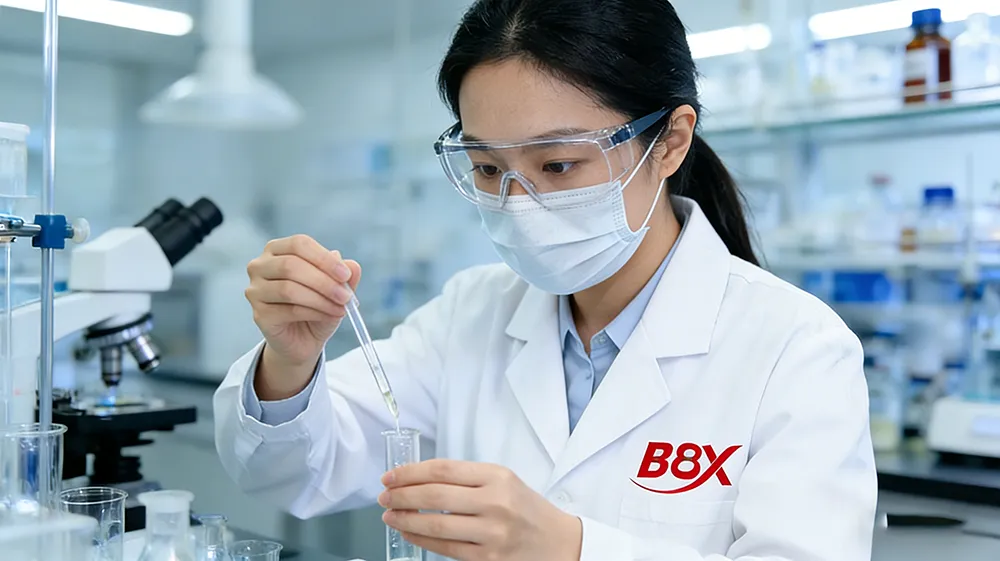
Additionally, adhesives are used in the assembly of printed circuit boards (PCBs) to secure components and protect sensitive electronics from environmental factors such as moisture, dust, and vibration. Potting and encapsulation with silicone or epoxy adhesives help to ensure the long-term reliability of electronic devices.
Applications in Automotive Assembly
The automotive industry relies heavily on industrial adhesives for structural bonding, sealing, and noise reduction. Structural adhesives, such as epoxies and polyurethanes, are used to bond body panels, frames, and other components, providing both strength and weight reduction. This is particularly important in the development of electric vehicles (EVs), where lightweight construction is essential for improving energy efficiency and extending driving range.
Sealing applications, such as those involving windshields, door seals, and underbody coatings, require adhesives that can form a watertight and airtight barrier. Silicone and polyurethane sealants are often used for these purposes, as they offer excellent adhesion to a variety of substrates and can withstand the harsh conditions of the automotive environment.
Applications in New Energy Solutions
New energy solutions, such as solar panels and wind turbines, also benefit from the use of high-performance industrial adhesives. In solar panel manufacturing, adhesives are used to bond the photovoltaic cells to the substrate and to encapsulate the entire module. Epoxy and silicone adhesives are preferred for their ability to withstand prolonged exposure to UV radiation and temperature fluctuations.
Wind turbine blades, which are typically made from composite materials, require adhesives that can provide strong, durable bonds while also resisting the effects of wind, rain, and UV radiation. Polyurethane and epoxy adhesives are commonly used in the assembly of wind turbine blades, ensuring that the structure remains intact and functional over its operational life.
Trends in Industrial Adhesive Technology
The continuous advancement of adhesive technology is driven by the evolving needs of the manufacturing industry. One significant trend is the development of more sustainable and environmentally friendly adhesives. This includes the use of bio-based materials and the reduction of volatile organic compounds (VOCs) in adhesive formulations. Additionally, there is a growing demand for adhesives that can be easily applied and cured, reducing production time and costs.
Another trend is the integration of smart and functional adhesives. These adhesives can change their properties in response to external stimuli, such as temperature, light, or pH. For example, self-healing adhesives can repair themselves when damaged, extending the lifespan of bonded structures. Conductive adhesives, which can carry electrical current, are also gaining traction in the electronics and automotive industries, enabling the creation of more compact and efficient devices.
Conclusion
High-performance industrial adhesives are indispensable in the electronics, automotive, and new energy manufacturing sectors. Their ability to provide strong, durable, and versatile bonding solutions makes them a critical component in the design and production of advanced technologies. As the industry continues to evolve, the development of more sustainable, smart, and functional adhesives will further enhance the capabilities and applications of these materials.
Write your comment