Introduction to High-Performance Industrial Adhesives
High-performance industrial adhesives play a crucial role in various manufacturing sectors, including electronics, automotive, and new energy. These adhesives are designed to provide strong, durable, and reliable bonding, even under extreme conditions. In this article, we will delve into the technical aspects, applications, and trends in the use of high-performance industrial adhesives.
Understanding High-Performance Adhesives
High-performance adhesives are engineered to meet the stringent requirements of modern manufacturing. They offer superior strength, chemical resistance, and thermal stability, making them ideal for a wide range of applications. These adhesives can be classified into several types, including epoxy, polyurethane, and acrylic, each with its own unique properties and advantages.
Key Properties of High-Performance Adhesives
High-performance adhesives are characterized by several key properties that make them indispensable in industrial settings:
- Strength and Durability: These adhesives provide robust bonding, capable of withstanding high mechanical loads and stresses.
- Chemical Resistance: They are resistant to a variety of chemicals, including solvents, acids, and bases, ensuring long-term performance in harsh environments.
- Thermal Stability: High-performance adhesives maintain their integrity and bonding strength over a wide temperature range, from cryogenic to high-temperature applications.
- Adhesion to Various Substrates: They can bond to a wide range of materials, including metals, plastics, ceramics, and composites, providing versatility in application.
Applications in Electronics Manufacturing
In the electronics industry, high-performance adhesives are essential for assembling and protecting sensitive components. Some key applications include:
- Component Bonding: Adhesives are used to securely attach electronic components to circuit boards, ensuring reliable electrical connections and mechanical stability.
- Encapsulation and Potting: These adhesives are used to encapsulate and pot electronic components, providing protection against moisture, dust, and other environmental factors.
- Conformal Coating: Conformal coatings are applied to protect printed circuit boards (PCBs) from corrosion and environmental damage, enhancing their reliability and longevity.
Applications in Automotive Assembly
The automotive industry relies on high-performance adhesives for various applications, including:
- Structural Bonding: Adhesives are used to bond body panels, frames, and other structural components, providing strength and rigidity while reducing weight.
- Sealing and Gasketing: They are used to create seals and gaskets, preventing the ingress of water, dust, and other contaminants.
- Interior Trim and Upholstery: Adhesives are used to attach interior trim pieces, upholstery, and other components, ensuring a secure and durable fit.
Applications in New Energy Solutions
New energy solutions, such as solar panels and wind turbines, also benefit from high-performance adhesives. Key applications include:
- Solar Panel Assembly: Adhesives are used to bond solar cells to the substrate, ensuring efficient energy conversion and long-term durability.
- Wind Turbine Blade Bonding: High-performance adhesives are used to bond the composite materials in wind turbine blades, providing the necessary strength and flexibility.
- Battery Assembly: In the production of batteries for electric vehicles and energy storage systems, adhesives are used to bond and seal battery cells, ensuring safety and performance.
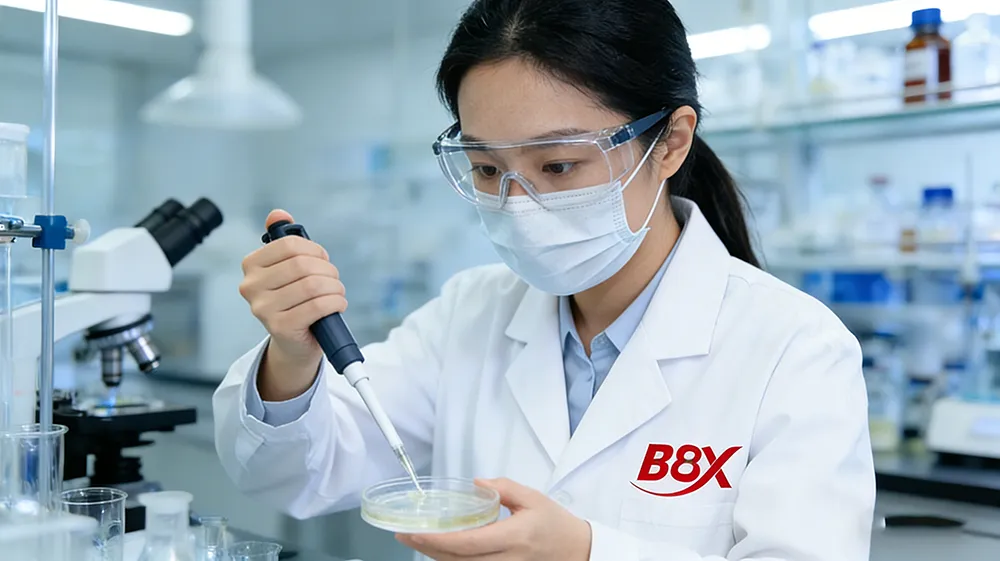
Technical Insights and Trends
The development of high-performance adhesives is driven by the need for more efficient, sustainable, and versatile bonding solutions. Some key trends and technical insights include:
- Advanced Formulations: Ongoing research and development are leading to the creation of new adhesive formulations with enhanced properties, such as improved thermal conductivity and reduced curing times.
- Environmental Considerations: There is a growing emphasis on developing eco-friendly adhesives that are biodegradable, non-toxic, and have a lower carbon footprint.
- Automation and Robotics: The integration of adhesives with automated assembly lines and robotic systems is improving efficiency and consistency in manufacturing processes.
- Customization and Tailored Solutions: Manufacturers are increasingly offering customized adhesive solutions to meet the specific needs of different industries and applications.
Conclusion
High-performance industrial adhesives are essential for the success of modern manufacturing in electronics, automotive, and new energy sectors. Their ability to provide strong, durable, and reliable bonding, along with their versatility and adaptability, makes them a critical component in these industries. As technology continues to advance, the development of new and improved adhesives will play a vital role in driving innovation and sustainability in manufacturing.
Write your comment