Introduction to High-Performance Industrial Adhesives
High-performance industrial adhesives play a crucial role in various sectors, including electronics, automotive, and new energy manufacturing. These adhesives are designed to provide strong, durable, and reliable bonding solutions that can withstand harsh environmental conditions, mechanical stresses, and thermal fluctuations. In this article, we will delve into the technical aspects, applications, and trends in the use of industrial adhesives, with a focus on their importance in these key industries.
Technical Insights into Industrial Adhesives
Chemical Composition and Properties
Industrial adhesives are formulated from a variety of chemical bases, each offering unique properties suited to specific applications. Common types include epoxy, acrylic, polyurethane, and silicone adhesives. For example, epoxy adhesives are known for their high strength and resistance to chemicals, making them ideal for structural bonding in electronics and automotive components. Acrylic adhesives, on the other hand, offer excellent adhesion to a wide range of substrates and are often used in high-speed assembly processes.
Key Performance Metrics
When selecting an industrial adhesive, several performance metrics are critical. These include:
- Shear Strength: The ability of the adhesive to resist shear forces, which is essential for maintaining the integrity of bonded joints under stress.
- Temperature Resistance: The ability to maintain performance at both high and low temperatures, crucial for applications in extreme environments.
- Chemical Resistance: The ability to withstand exposure to solvents, oils, and other chemicals without degrading.
- Cure Time: The time required for the adhesive to fully cure and achieve its maximum strength, which impacts production efficiency.
Applications in Electronics Manufacturing
In the electronics industry, industrial adhesives are used for a variety of applications, from potting and encapsulation to surface mounting and conformal coating. These adhesives must meet stringent requirements for electrical insulation, thermal conductivity, and reworkability. For instance, in the assembly of printed circuit boards (PCBs), adhesives are used to secure components and protect sensitive electronics from environmental factors such as moisture, dust, and vibration.
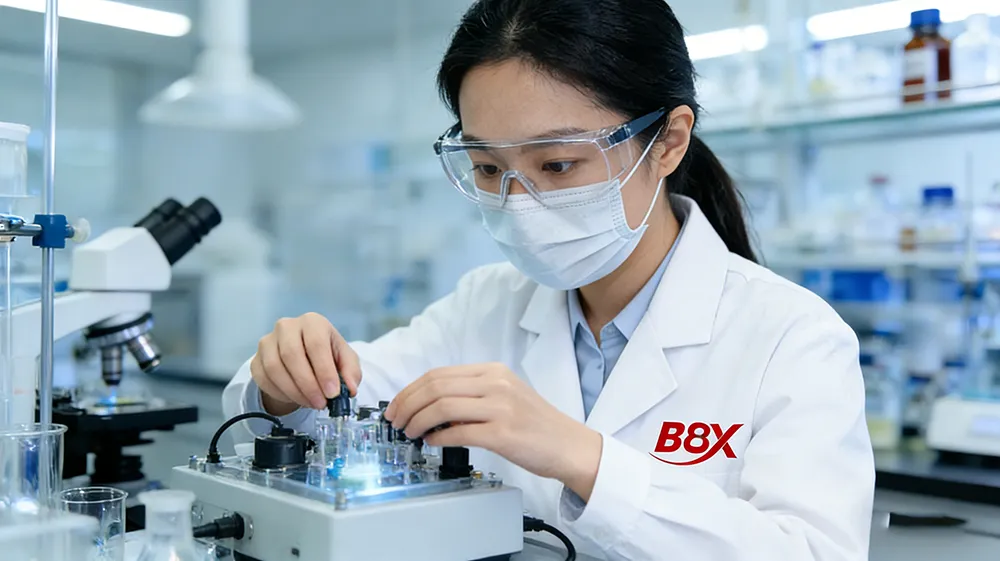
Case Study: Potting and Encapsulation
Potting and encapsulation involve the application of an adhesive to completely cover and seal electronic components, providing protection against physical and environmental damage. This process is particularly important for devices used in harsh conditions, such as automotive sensors and power electronics. The adhesive used in potting and encapsulation must have excellent thermal and electrical insulation properties, as well as the ability to flow and fill intricate spaces without voids or air bubbles.
Applications in Automotive Assembly
The automotive industry relies heavily on industrial adhesives for structural bonding, noise and vibration damping, and sealing. These adhesives are used in the assembly of body panels, windshields, and interior components, as well as in the manufacturing of electric vehicle (EV) batteries. For example, in the construction of EV battery packs, adhesives are used to bond and seal the cells, ensuring long-term reliability and safety.
Case Study: Structural Bonding in Body Panels
Structural adhesives are used to bond metal and composite materials in automotive body panels, providing a lightweight and durable alternative to traditional welding and fastening methods. These adhesives must offer high tensile and shear strength, as well as excellent fatigue resistance, to ensure the structural integrity of the vehicle. Additionally, they must be compatible with various substrates and able to withstand the high temperatures and mechanical stresses encountered during the manufacturing process and in the field.
Applications in New Energy Manufacturing
New energy solutions, such as solar panels and wind turbines, also benefit from the use of high-performance industrial adhesives. In solar panel manufacturing, adhesives are used to bond the photovoltaic cells to the substrate, ensuring efficient energy conversion and long-term durability. In wind turbine manufacturing, adhesives are used to bond and seal the blades, nacelles, and other components, providing protection against environmental factors and ensuring structural integrity.
Case Study: Solar Panel Assembly
In the assembly of solar panels, adhesives are used to bond the photovoltaic cells to the glass or polymer substrate, as well as to seal the edges and backsheet. The adhesive must provide excellent optical clarity, thermal stability, and resistance to UV radiation to ensure optimal performance and longevity of the solar panel. Additionally, the adhesive must be easy to apply and cure quickly to support high-volume manufacturing processes.
Trends and Innovations in Industrial Adhesives
The industrial adhesive market is continuously evolving, driven by the need for more sustainable, high-performance, and versatile solutions. Some of the key trends and innovations include:
- Biobased Adhesives: The development of adhesives derived from renewable resources, such as plant-based polymers, is gaining traction as a more sustainable alternative to traditional petroleum-based adhesives.
- Smart Adhesives: The integration of smart functionalities, such as self-healing, temperature sensing, and color-changing properties, is enabling new applications and improving the performance of adhesives in various industries.
- Low-VOC Adhesives: The demand for low-volatile organic compound (VOC) adhesives is increasing, driven by stricter environmental regulations and the need for safer, more environmentally friendly products.
Conclusion
High-performance industrial adhesives are essential for the success of electronics, automotive, and new energy manufacturing. By understanding the technical properties and applications of these adhesives, manufacturers can select the most suitable solutions for their specific needs, ensuring the reliability, durability, and performance of their products. As the industry continues to evolve, the development of innovative and sustainable adhesives will play a crucial role in driving future advancements and meeting the growing demands of these critical sectors.
Write your comment