The Critical Role of High-Performance Industrial Adhesives in Modern Manufacturing
High-performance industrial adhesives play a pivotal role in various sectors, including electronics, automotive, and new energy manufacturing. These adhesives are designed to meet stringent performance requirements, ensuring reliability, durability, and efficiency in demanding applications.
Understanding Industrial Adhesives
Industrial adhesives are specialized bonding agents that provide strong, durable, and often permanent bonds between different materials. They are engineered to withstand harsh environmental conditions, such as extreme temperatures, chemical exposure, and mechanical stress. The key properties of high-performance adhesives include:
- High bond strength
- Resistance to chemicals and solvents
- Thermal stability
- Excellent gap-filling capabilities
- Flexibility and impact resistance
Applications in Electronics Manufacturing
In the electronics industry, adhesives are used for a wide range of applications, from potting and encapsulation to conformal coating and die attach. These adhesives must meet specific requirements to ensure the long-term reliability of electronic components and devices. For example, in the production of printed circuit boards (PCBs), adhesives are used to secure components and protect them from environmental factors such as moisture, dust, and thermal cycling.
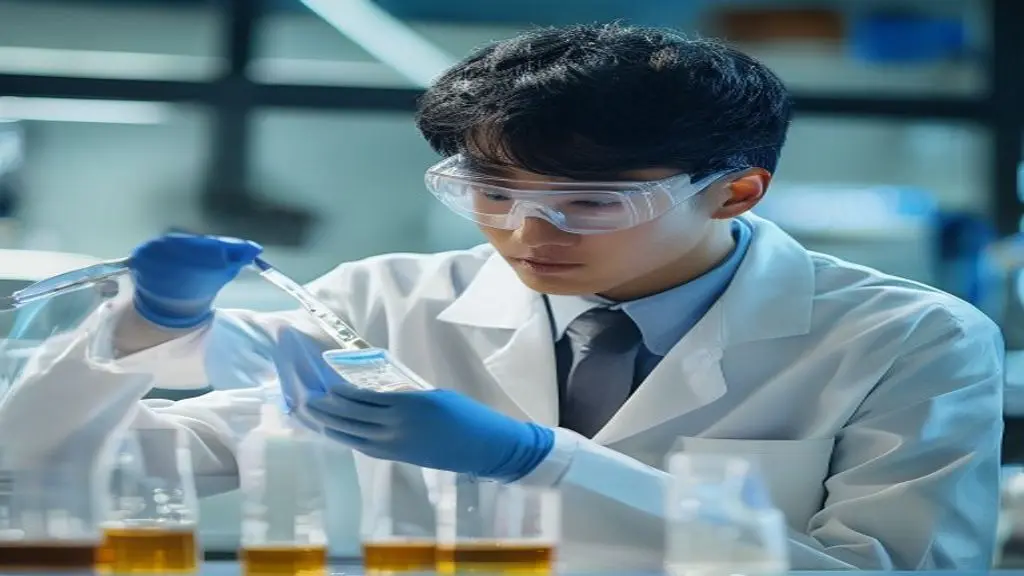
Key considerations for adhesives in electronics manufacturing include:
- Electrical insulation properties
- Low outgassing and minimal shrinkage
- Thermal conductivity for heat dissipation
- Compatibility with automated dispensing systems
Adhesives in Automotive Assembly
The automotive industry relies heavily on high-performance adhesives for structural bonding, sealing, and noise reduction. Adhesives are used in various parts of the vehicle, including body panels, windshields, and interior components. They offer several advantages over traditional fastening methods, such as screws and rivets, including:
- Reduced weight, leading to improved fuel efficiency
- Enhanced structural integrity and crash performance
- Seamless and aesthetically pleasing joints
- Vibration and noise dampening
Modern automotive adhesives are also designed to be compatible with advanced manufacturing processes, such as robotic dispensing and curing, which enhance production efficiency and quality.
Adhesives in New Energy Solutions
The new energy sector, encompassing solar, wind, and battery technologies, is another area where high-performance adhesives are essential. In solar panel manufacturing, adhesives are used to bond and seal the various layers, ensuring the panels can withstand outdoor conditions and maintain their efficiency over time. Key requirements for adhesives in solar applications include:
- UV resistance
- Weatherability and long-term durability
- Optical clarity for maximum light transmission
- Thermal and electrical conductivity
In the battery industry, adhesives are used for cell-to-cell bonding, module assembly, and thermal management. These adhesives must provide reliable electrical connections, thermal management, and protection against environmental factors such as moisture and vibration.
Technical Insights and Trends
The development of high-performance industrial adhesives is driven by ongoing research and innovation. Some of the key trends and technical advancements in the field include:
- Advanced Formulations: New adhesive formulations are being developed to meet the specific needs of different industries. For example, adhesives with enhanced thermal conductivity are being used in power electronics to improve heat dissipation.
- Smart Adhesives: Smart adhesives, which can change their properties in response to external stimuli, are gaining attention. These adhesives can be used for self-healing, temperature-sensitive, or pressure-sensitive applications.
- Sustainability: There is a growing focus on developing eco-friendly adhesives that are biodegradable, non-toxic, and made from renewable resources. This aligns with the broader trend towards sustainable manufacturing practices.
- Automation and Digitalization: The integration of adhesives into automated manufacturing processes is becoming more prevalent. Advanced dispensing and curing systems, combined with digital monitoring and control, are enhancing the precision and efficiency of adhesive applications.
B8X, a leading provider of high-performance industrial adhesives, is at the forefront of these developments. With a deep understanding of the unique challenges and requirements of different industries, B8X continues to innovate and deliver solutions that meet the highest standards of performance and reliability.
Conclusion
High-performance industrial adhesives are indispensable in modern manufacturing, providing robust, reliable, and efficient bonding solutions across a wide range of applications. As the demand for advanced and sustainable manufacturing solutions grows, the role of adhesives will continue to evolve, driving innovation and excellence in the electronics, automotive, and new energy sectors.
Write your comment