Introduction to High-Performance Industrial Adhesives
High-performance industrial adhesives play a crucial role in modern manufacturing, particularly in the electronics, automotive, and new energy sectors. These adhesives are designed to provide reliable, long-lasting bonds that can withstand harsh conditions, including extreme temperatures, chemical exposure, and mechanical stress. In this article, we will delve into the technical aspects of these adhesives, their applications, and the trends shaping the industry.
The Importance of High-Performance Adhesives in Electronics Manufacturing
In the electronics industry, the demand for miniaturization, high reliability, and thermal management has driven the need for advanced adhesives. These adhesives must meet stringent requirements, such as:
- Low outgassing to prevent contamination of sensitive components
- Excellent electrical insulation properties
- High thermal conductivity for effective heat dissipation
- Resistance to moisture, chemicals, and UV radiation
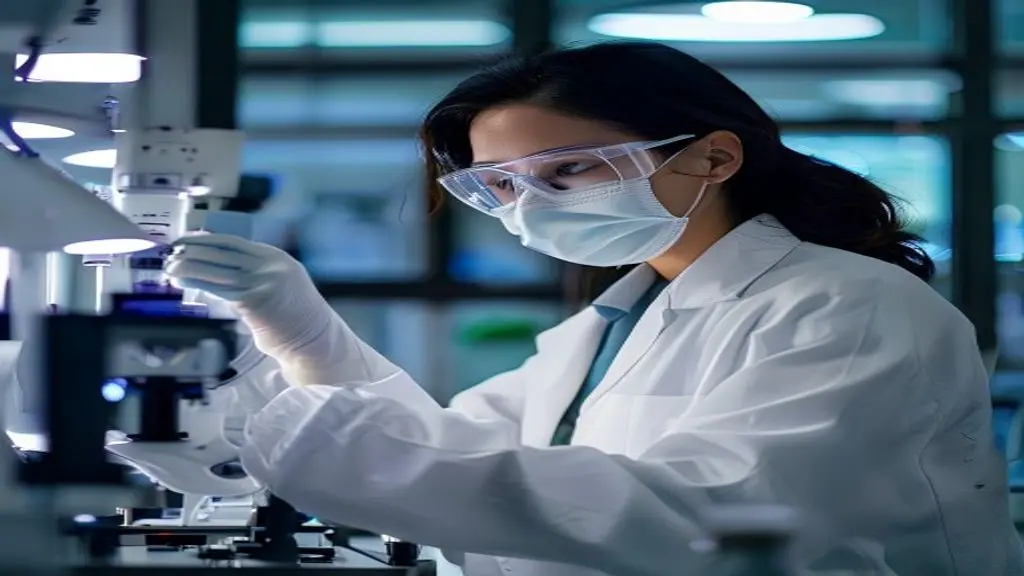
One of the primary applications of high-performance adhesives in electronics is in the assembly of printed circuit boards (PCBs). These adhesives are used to bond components, such as surface-mount devices (SMDs), to the PCB, ensuring both mechanical and electrical integrity. Additionally, they are used in the encapsulation of microelectronic devices, providing protection against environmental factors and enhancing overall durability.
Applications in Automotive Assembly
The automotive industry is another significant user of high-performance industrial adhesives. These adhesives are employed in various applications, from body and chassis assembly to the bonding of interior and exterior components. Some key areas where adhesives are used include:
- Bonding of structural components, such as door panels, hoods, and trunks
- Sealing and bonding of windshields and other glass components
- Assembly of interior trim, including dashboards and door panels
- Attachment of sensors and electronic modules
Adhesives in automotive applications must meet specific performance criteria, such as:
- High strength and durability to withstand the rigors of daily use
- Resistance to vibration and impact
- Compatibility with a wide range of substrates, including metals, plastics, and composites
- Ability to withstand temperature fluctuations and exposure to chemicals
Advancements in New Energy Solutions
The new energy sector, encompassing solar, wind, and battery technologies, is rapidly evolving, and high-performance adhesives are playing a vital role in this transformation. For example, in the production of solar panels, adhesives are used to bond the photovoltaic cells to the backsheet and encapsulate the entire module. This ensures long-term performance and protects the cells from environmental damage.
In the battery industry, adhesives are used to assemble and seal battery packs, ensuring that they are both safe and efficient. Key considerations for adhesives in battery applications include:
- Thermal management to dissipate heat generated during charging and discharging
- Chemical resistance to prevent degradation from electrolyte exposure
- Electrical insulation to prevent short circuits
- Mechanical strength to withstand the physical stresses of vehicle operation
Trends and Future Directions
The industrial adhesive market is continuously evolving, driven by technological advancements and changing industry needs. Some of the key trends and future directions include:
- Development of Sustainable Adhesives: There is a growing emphasis on sustainability, leading to the development of bio-based and environmentally friendly adhesives. These adhesives aim to reduce the carbon footprint and improve the overall environmental impact of manufacturing processes.
- Enhanced Performance Characteristics: Ongoing research is focused on improving the performance characteristics of adhesives, such as increasing their thermal conductivity, reducing curing times, and enhancing their resistance to extreme conditions.
- Integration with Advanced Manufacturing Technologies: As industries adopt more advanced manufacturing techniques, such as 3D printing and robotic assembly, there is a need for adhesives that can seamlessly integrate with these technologies. This includes the development of adhesives that can be applied using automated systems and that cure quickly to support high-speed production lines.
At B8X, we are committed to staying at the forefront of these trends, leveraging our expertise to develop innovative adhesive solutions that meet the evolving needs of the electronics, automotive, and new energy sectors. Our focus on technical excellence and customer collaboration ensures that we deliver high-performance adhesives that drive the success of our partners in these critical industries.
Write your comment