Introduction to High-Performance Industrial Adhesives
In today's rapidly evolving manufacturing landscape, the demand for reliable and durable bonding solutions is more critical than ever. High-performance industrial adhesives play a pivotal role in ensuring the structural integrity and functionality of products across various sectors, including electronics, automotive, and new energy. This article delves into the technical aspects, applications, and trends in the use of these advanced adhesives.
The Role of Industrial Adhesives in Electronics Manufacturing
Electronics manufacturing requires adhesives that can withstand extreme conditions, such as high temperatures, humidity, and mechanical stress. These adhesives must also provide excellent electrical insulation and thermal conductivity. For instance, in the production of printed circuit boards (PCBs), adhesives are used to secure components, protect solder joints, and ensure the overall reliability of the board.
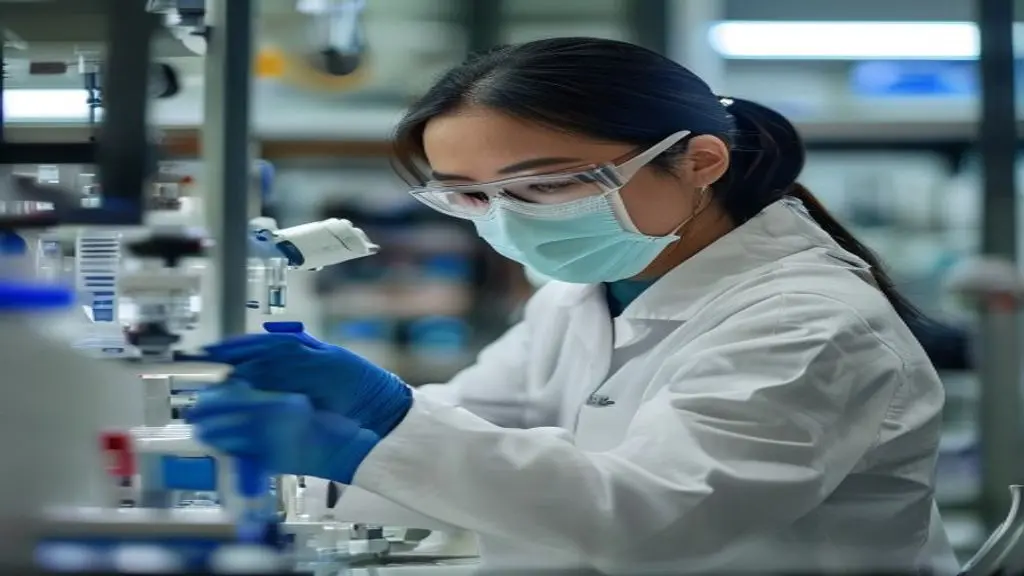
One of the key challenges in electronics manufacturing is the miniaturization of components, which demands adhesives with high precision and low outgassing properties. High-performance adhesives, like those developed by B8X, are formulated to meet these stringent requirements, ensuring that electronic devices perform optimally under a wide range of conditions.
Applications in Automotive Assembly
The automotive industry is another sector where high-performance adhesives are indispensable. These adhesives are used in various applications, from body panel bonding to interior trim attachment and engine component assembly. The use of adhesives in automotive manufacturing offers several advantages, including weight reduction, improved safety, and enhanced durability.
For example, structural adhesives are used to bond metal and composite materials, providing a strong and lightweight alternative to traditional welding and fastening methods. This not only improves fuel efficiency but also enhances the overall performance and safety of the vehicle. Additionally, adhesives used in the assembly of electric vehicles (EVs) must be compatible with battery technologies and capable of withstanding the unique environmental and operational stresses of EVs.
Advancements in New Energy Solutions
The transition to renewable energy sources has driven the need for specialized adhesives in the new energy sector. Solar panels, wind turbines, and energy storage systems all rely on high-performance adhesives to ensure long-term reliability and efficiency. In solar panel manufacturing, adhesives are used to bond the glass, encapsulant, and backsheet, providing protection against environmental factors such as UV radiation and moisture.
Similarly, in wind turbine construction, adhesives are used to bond composite materials, ensuring the structural integrity and longevity of the blades. The adhesives must be able to withstand the harsh conditions of offshore and onshore environments, including exposure to saltwater, extreme temperatures, and mechanical stress. B8X's expertise in formulating adhesives for these demanding applications ensures that new energy solutions are both efficient and sustainable.
Technical Insights and Trends
As the demand for high-performance adhesives continues to grow, manufacturers are focusing on developing innovative formulations that offer enhanced performance and sustainability. Some of the key trends in the industry include:
- High-Temperature Resistance: Adhesives that can withstand extreme temperatures without degrading or losing their bonding strength are essential for applications in electronics and automotive manufacturing.
- Low-VOC and Eco-Friendly Formulations: There is a growing emphasis on reducing the environmental impact of adhesives. Manufacturers are developing low-volatile organic compound (VOC) and biodegradable adhesives that meet stringent environmental regulations.
- Advanced Curing Technologies: New curing methods, such as UV-curing and two-part epoxy systems, are being developed to improve the speed and efficiency of the bonding process. These technologies also enable the use of adhesives in automated production lines, enhancing productivity and consistency.
Additionally, the integration of smart technologies, such as self-healing and sensor-integrated adhesives, is an emerging trend. These innovations can monitor the health of bonded joints and even repair minor damage, extending the lifespan of the bonded components.
Conclusion
High-performance industrial adhesives are essential for the success of modern manufacturing processes in electronics, automotive, and new energy sectors. By addressing the specific needs of each application, these adhesives ensure the reliability, durability, and efficiency of the final products. As the industry continues to evolve, the development of innovative and sustainable adhesive solutions will play a crucial role in driving technological advancements and meeting the demands of a rapidly changing world.
Write your comment