Introduction to High-Performance Industrial Adhesives
High-performance industrial adhesives play a crucial role in various manufacturing sectors, including electronics, automotive, and new energy. These adhesives are designed to provide strong, durable, and reliable bonding solutions that can withstand harsh environmental conditions, extreme temperatures, and mechanical stress. In this article, we will delve into the technical aspects, applications, and trends in the use of industrial adhesives in these industries.
Technical Insights into Industrial Adhesives
Industrial adhesives are formulated to meet specific performance requirements, such as high strength, thermal stability, chemical resistance, and low outgassing. The choice of adhesive depends on the substrate materials, the operating environment, and the desired bond characteristics. Common types of industrial adhesives include epoxy, polyurethane, acrylic, and silicone-based adhesives.
Epoxy adhesives, for example, are known for their excellent adhesion to a wide range of substrates, including metals, plastics, and composites. They offer high strength, good chemical resistance, and excellent thermal stability, making them suitable for applications in electronics and automotive manufacturing. Polyurethane adhesives, on the other hand, are highly flexible and can accommodate movement and vibration, making them ideal for bonding dissimilar materials in automotive and new energy applications.
Applications in Electronics Manufacturing
In the electronics industry, adhesives are used for a variety of applications, including die attach, potting, encapsulation, and conformal coating. These adhesives must meet stringent requirements for electrical insulation, thermal conductivity, and low outgassing to ensure the reliability and longevity of electronic components.
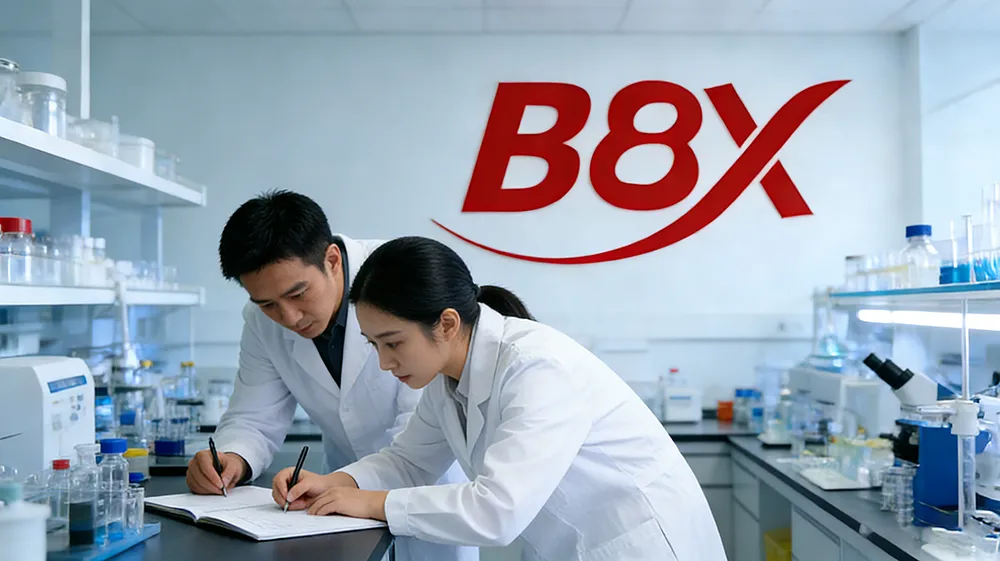
For instance, in the production of printed circuit boards (PCBs), adhesives are used to secure components and protect them from environmental factors such as moisture, dust, and temperature fluctuations. Epoxy and acrylic adhesives are commonly used for these applications due to their excellent adhesion and protective properties.
Applications in Automotive Assembly
The automotive industry relies heavily on industrial adhesives for structural bonding, sealing, and noise reduction. Adhesives are used to bond body panels, reinforce joints, and seal gaps to improve the overall structural integrity and safety of vehicles. Additionally, adhesives play a crucial role in the assembly of electric and hybrid vehicles, where they are used to bond battery packs, motors, and other components.
Polyurethane and epoxy adhesives are widely used in automotive applications due to their high strength, flexibility, and resistance to chemicals and environmental factors. These adhesives can also be formulated to provide additional benefits such as sound dampening and vibration absorption, enhancing the driving experience and vehicle performance.
Applications in New Energy Solutions
The new energy sector, which includes solar, wind, and battery storage systems, also benefits significantly from the use of high-performance industrial adhesives. In solar panel manufacturing, adhesives are used to bond the glass, cells, and backsheet, ensuring the structural integrity and durability of the panels. Silicone-based adhesives are particularly well-suited for these applications due to their excellent UV resistance and long-term stability.
In the production of wind turbines, adhesives are used to bond composite blades, secure components, and provide sealing and protection against environmental factors. Epoxy and polyurethane adhesives are commonly used in these applications due to their high strength, flexibility, and resistance to weathering and fatigue.
Trends and Future Directions
The demand for high-performance industrial adhesives is expected to grow as industries continue to evolve and adopt more advanced technologies. Key trends in the adhesive market include the development of environmentally friendly and sustainable adhesives, the use of nanotechnology to enhance performance, and the integration of smart adhesives with sensing and self-healing capabilities.
As the electronics, automotive, and new energy sectors continue to innovate, the need for adhesives that can meet increasingly stringent performance requirements will drive further advancements in adhesive technology. B8X, with its focus on high-performance adhesives, is well-positioned to support these industries with innovative and reliable bonding solutions.
Conclusion
High-performance industrial adhesives are essential for the success of electronics, automotive, and new energy manufacturing. By understanding the technical requirements and applications of these adhesives, manufacturers can select the most appropriate solutions to ensure the reliability, durability, and performance of their products. As the industry continues to evolve, the development of advanced adhesives will play a critical role in driving innovation and growth.
Write your comment