The Critical Role of High-Performance Industrial Adhesives in Advanced Manufacturing
High-performance industrial adhesives play a pivotal role in modern manufacturing, particularly in the electronics, automotive, and new energy sectors. These adhesives are engineered to meet stringent requirements, ensuring reliable and durable bonding in challenging environments. This article delves into the technical aspects, applications, and trends in the use of industrial adhesives, with a focus on their impact on these industries.
Understanding High-Performance Industrial Adhesives
High-performance industrial adhesives are designed to provide robust and long-lasting bonds in a variety of materials, including metals, plastics, and composites. These adhesives are formulated to withstand extreme temperatures, mechanical stress, and chemical exposure, making them ideal for demanding applications. Key properties of high-performance adhesives include:
- High strength and durability
- Resistance to temperature and environmental factors
- Excellent chemical resistance
- Flexibility and elongation
These properties are essential for ensuring the integrity and performance of bonded components in electronics, automotive, and new energy manufacturing.
Applications in Electronics Manufacturing
In the electronics industry, high-performance adhesives are used in a wide range of applications, from bonding and sealing to potting and encapsulation. These adhesives must meet specific requirements, such as low outgassing, thermal conductivity, and electrical insulation, to ensure the reliability and longevity of electronic devices.
Some common applications in electronics manufacturing include:
- Bonding and sealing of printed circuit boards (PCBs)
- Attachment of surface-mount components
- Potting and encapsulation of sensitive electronic components
- Thermal management solutions for heat dissipation
For example, in the assembly of PCBs, adhesives are used to secure components and protect them from environmental factors. The choice of adhesive is crucial, as it must provide a strong bond while also being compatible with the materials and processes involved.
Applications in Automotive Assembly
The automotive industry relies heavily on high-performance adhesives for structural bonding, noise reduction, and vibration damping. These adhesives are used in various parts of the vehicle, from body panels and trim to engine components and interior assemblies.
Key applications in automotive assembly include:
- Structural bonding of body panels and frames
- Sealing and bonding of windshields and windows
- Attachment of trim and interior components
- Vibration damping and noise reduction
For instance, in the assembly of car bodies, adhesives are used to bond metal and composite materials, providing a strong and lightweight structure. This not only enhances the vehicle's performance but also contributes to improved fuel efficiency and safety.
Applications in New Energy Solutions
The new energy sector, which includes solar, wind, and battery technologies, also benefits significantly from high-performance industrial adhesives. These adhesives are used in the assembly and protection of components that are exposed to harsh environmental conditions, such as UV radiation, moisture, and temperature fluctuations.
Common applications in new energy solutions include:
- Bonding and sealing of solar panel components
- Assembly of wind turbine blades and nacelles
- Protection of battery cells and modules
- Thermal management in energy storage systems
In the case of solar panels, adhesives are used to bond and seal the glass, frame, and backsheet, ensuring the panel's durability and performance over its lifetime. Similarly, in battery manufacturing, adhesives are used to secure and protect the cells, ensuring reliable and safe operation.
Trends and Innovations in Industrial Adhesives
The field of industrial adhesives is continuously evolving, driven by the need for more efficient, sustainable, and versatile solutions. Some of the key trends and innovations in this area include:
- Development of bio-based and eco-friendly adhesives
- Enhanced thermal and electrical conductivity
- Improved curing methods, such as UV and LED curing
- Integration of smart and self-healing properties
For example, the development of bio-based adhesives is gaining traction as manufacturers seek to reduce their environmental footprint. These adhesives are derived from renewable resources and offer comparable performance to traditional petroleum-based products.
Additionally, the integration of smart and self-healing properties in adhesives is an emerging trend. These advanced adhesives can detect and repair damage, extending the lifespan of bonded components and reducing maintenance costs.
Conclusion
High-performance industrial adhesives are indispensable in the electronics, automotive, and new energy manufacturing sectors. Their ability to provide strong, durable, and reliable bonds in challenging environments makes them a critical component in the production of high-quality and innovative products. As the industry continues to evolve, the development of new and advanced adhesives will play a crucial role in driving innovation and sustainability in manufacturing.
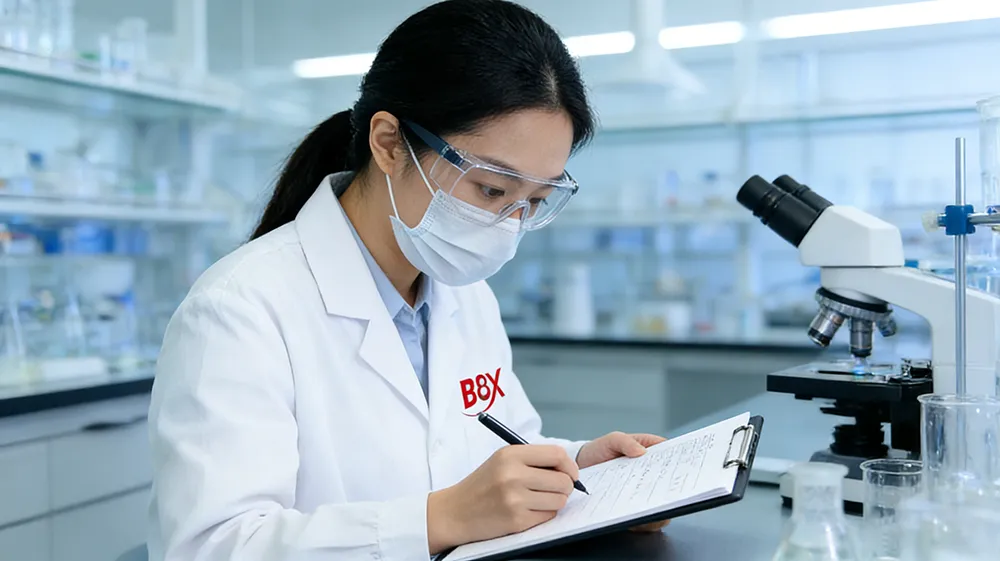
By staying at the forefront of technological advancements and leveraging the capabilities of high-performance adhesives, manufacturers can ensure the continued success and growth of their operations in these dynamic and competitive markets.
Write your comment