The Critical Role of High-Performance Industrial Adhesives in Advanced Manufacturing
High-performance industrial adhesives play a pivotal role in the modern manufacturing landscape, particularly in the electronics, automotive, and new energy sectors. These adhesives are engineered to meet stringent performance requirements, ensuring reliability, durability, and efficiency in a wide range of applications.
Understanding the Importance of Industrial Adhesives
Industrial adhesives are essential for bonding, sealing, and protecting components in various manufacturing processes. They offer several advantages over traditional mechanical fastening methods, including:
- Weight Reduction: Adhesives can replace heavier fasteners, contributing to lighter, more fuel-efficient vehicles and devices.
- Improved Aesthetics: Adhesives provide a seamless bond, eliminating the need for visible fasteners and enhancing the overall appearance of products.
- Vibration Damping: Adhesives can absorb and dissipate vibrations, reducing stress on bonded components and extending their lifespan.
- Corrosion Resistance: Many industrial adhesives are formulated to resist corrosion, making them ideal for harsh environments.
Applications in Electronics Manufacturing
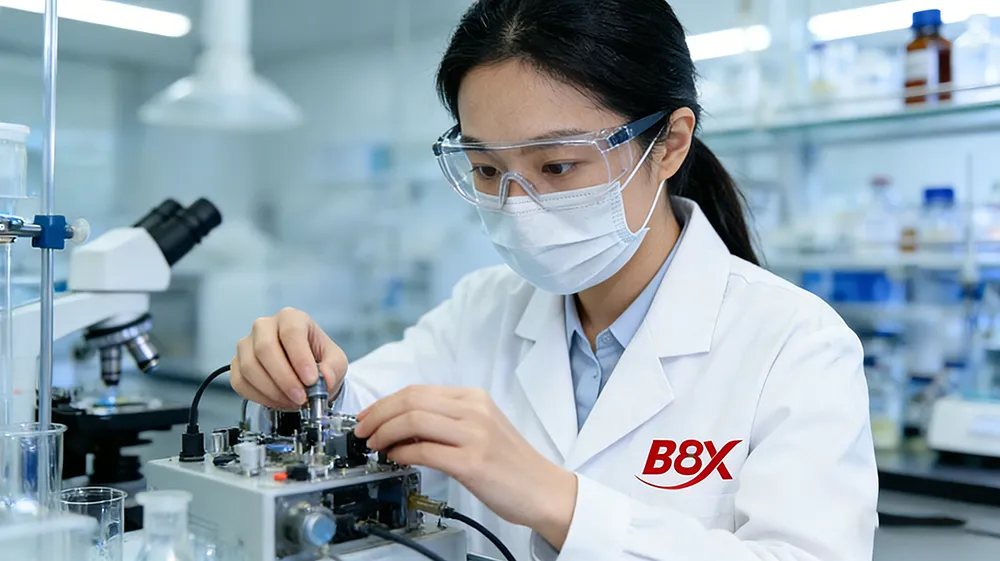
In the electronics industry, high-performance adhesives are used in the assembly of printed circuit boards (PCBs), displays, and other sensitive components. These adhesives must meet specific criteria, such as:
- Thermal Stability: The ability to withstand high temperatures during soldering and reflow processes without degrading or losing adhesion.
- Electrical Insulation: Ensuring that the adhesive does not conduct electricity, which could lead to short circuits or other electrical failures.
- Chemical Resistance: Withstanding exposure to solvents, cleaning agents, and other chemicals commonly used in electronics manufacturing.
Automotive Assembly: Bonding for Safety and Performance
The automotive industry relies heavily on industrial adhesives for structural bonding, interior trim, and exterior components. Key considerations include:
- Structural Integrity: Adhesives must provide strong, durable bonds that can withstand the rigors of daily use, including impacts and vibrations.
- Temperature Resistance: Adhesives must maintain their strength and flexibility across a wide range of temperatures, from the extreme cold of winter to the heat of summer.
- UV Resistance: Exterior adhesives must resist degradation from prolonged exposure to ultraviolet (UV) light, maintaining their integrity and appearance over time.
New Energy Solutions: Adhesives for Sustainable Technologies
In the new energy sector, adhesives are crucial for the assembly of solar panels, wind turbines, and battery systems. These applications require adhesives with specific properties, such as:
- Weather Resistance: Adhesives must withstand harsh environmental conditions, including rain, snow, and extreme temperatures.
- Long-Term Durability: Adhesives must maintain their performance over the long term, ensuring the longevity and reliability of new energy systems.
- Chemical Compatibility: Adhesives must be compatible with the materials used in new energy technologies, such as silicon, glass, and various metals.
For example, in the assembly of solar panels, adhesives are used to bond the photovoltaic cells to the substrate, ensuring that the panels remain structurally sound and efficient over their operational life. Similarly, in battery systems, adhesives are used to secure and protect the internal components, ensuring that the batteries operate safely and reliably.
Technical Insights and Future Trends
As the demand for high-performance adhesives continues to grow, manufacturers like B8X are at the forefront of developing innovative solutions. Some of the key trends and technical advancements in the field include:
- Smart Adhesives: Adhesives that can change their properties in response to external stimuli, such as temperature or pH, allowing for more precise and adaptive bonding.
- Sustainability: The development of eco-friendly adhesives that are biodegradable or made from renewable resources, reducing the environmental impact of manufacturing processes.
- Advanced Formulations: New formulations that offer enhanced performance, such as improved thermal conductivity, higher strength, and better resistance to environmental factors.
These advancements are driven by the need for more efficient, reliable, and sustainable manufacturing processes. As the industry continues to evolve, the role of high-performance industrial adhesives will only become more critical, enabling the development of advanced technologies and products that meet the demands of the future.
Write your comment