The Critical Role of High-Performance Industrial Adhesives in Advanced Manufacturing
High-performance industrial adhesives play a pivotal role in the electronics, automotive, and new energy sectors. These adhesives are engineered to meet the stringent demands of modern manufacturing, providing reliable, durable, and versatile bonding solutions. In this article, we will delve into the key applications and technical considerations of industrial adhesives in these industries.
Electronics Manufacturing: Precision and Reliability
In the electronics industry, the use of high-performance adhesives is essential for ensuring the reliability and longevity of devices. Adhesives in this sector must withstand a wide range of environmental conditions, including temperature fluctuations, humidity, and mechanical stress.
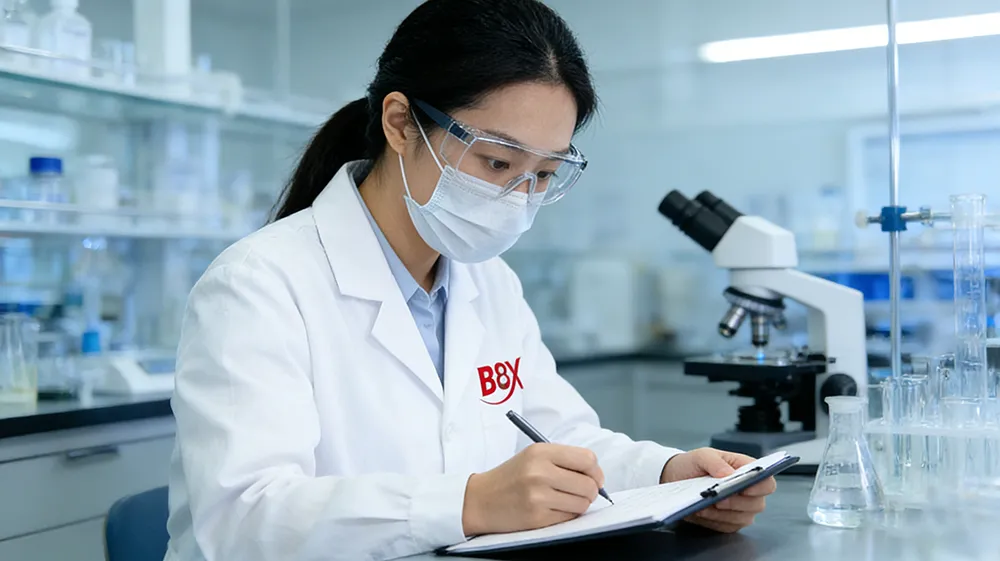
One of the primary applications of industrial adhesives in electronics is in the assembly of printed circuit boards (PCBs). These adhesives are used to secure components, such as surface mount devices (SMDs), and to provide thermal management. For example, thermally conductive adhesives can be used to dissipate heat from power components, thereby enhancing the overall performance and lifespan of the electronic device.
Another critical application is in the encapsulation and potting of sensitive components. Encapsulation involves covering the component with a protective layer of adhesive, which shields it from environmental factors such as moisture, dust, and mechanical shock. This is particularly important in high-reliability applications, such as aerospace and medical devices.
Automotive Assembly: Durability and Safety
The automotive industry relies heavily on industrial adhesives for various assembly processes. These adhesives must provide strong, durable bonds that can withstand the harsh conditions of vehicle operation, including exposure to chemicals, extreme temperatures, and mechanical vibrations.
One of the most significant applications of adhesives in automotive assembly is in body and chassis construction. Structural adhesives are used to bond metal and composite materials, providing a lightweight yet robust solution. This not only enhances the structural integrity of the vehicle but also contributes to improved fuel efficiency by reducing the overall weight.
Adhesives are also used in the assembly of interior and exterior trim, where they provide a clean, seamless finish. Additionally, they are employed in the attachment of sensors and other electronic components, ensuring reliable performance and safety in advanced driver-assistance systems (ADAS).
New Energy Solutions: Innovation and Sustainability
The new energy sector, encompassing solar, wind, and battery technologies, is another area where high-performance industrial adhesives are indispensable. These adhesives must meet the unique challenges of each technology, such as thermal cycling, UV exposure, and chemical resistance.
In the solar industry, adhesives are used to attach photovoltaic (PV) cells to the backing material and to seal the edges of the modules. These adhesives must provide long-term durability and resistance to environmental factors, ensuring the optimal performance and longevity of the solar panels.
For wind turbines, adhesives are used in the manufacture of blades and nacelles. They must withstand the extreme forces and environmental conditions encountered during operation, including high winds, salt spray, and temperature variations. The use of high-performance adhesives in these applications helps to reduce maintenance costs and extend the service life of the equipment.
In the battery manufacturing industry, adhesives play a crucial role in the assembly of battery packs. They are used to bond and seal the various components, such as cells, busbars, and cooling plates. These adhesives must provide excellent electrical insulation and thermal conductivity, ensuring the safe and efficient operation of the battery system.
Technical Considerations and Future Trends
When selecting an industrial adhesive for a specific application, several technical considerations must be taken into account. These include the substrate materials, operating conditions, and required performance characteristics. For example, adhesives used in high-temperature environments must have a high-temperature resistance, while those used in outdoor applications must be resistant to UV radiation and weathering.
Future trends in the industrial adhesive market are likely to focus on the development of more sustainable and eco-friendly products. This includes the use of bio-based and recyclable materials, as well as the reduction of volatile organic compounds (VOCs) in adhesive formulations. Additionally, there is a growing demand for smart adhesives, which can self-heal or change properties in response to external stimuli, further enhancing their functionality and versatility.
As the electronics, automotive, and new energy sectors continue to evolve, the importance of high-performance industrial adhesives will only increase. B8X, with its expertise in developing innovative and reliable adhesive solutions, is well-positioned to meet the evolving needs of these industries, ensuring that manufacturers can achieve the highest standards of quality and performance.
Write your comment