Introduction to High-Performance Adhesives in Advanced Manufacturing
High-performance adhesives play a crucial role in the manufacturing of electronics, automotive components, and new energy systems. These adhesives are designed to meet stringent requirements for strength, durability, and reliability, making them indispensable in industries where precision and performance are paramount.
The Importance of High-Performance Adhesives
In the modern industrial landscape, the demand for advanced materials and robust bonding solutions is higher than ever. High-performance adhesives, such as those offered by B8X, provide the necessary strength and flexibility to withstand harsh environmental conditions, mechanical stresses, and thermal cycling. These adhesives are essential for ensuring the longevity and reliability of products in various sectors.
Applications in Electronics Manufacturing
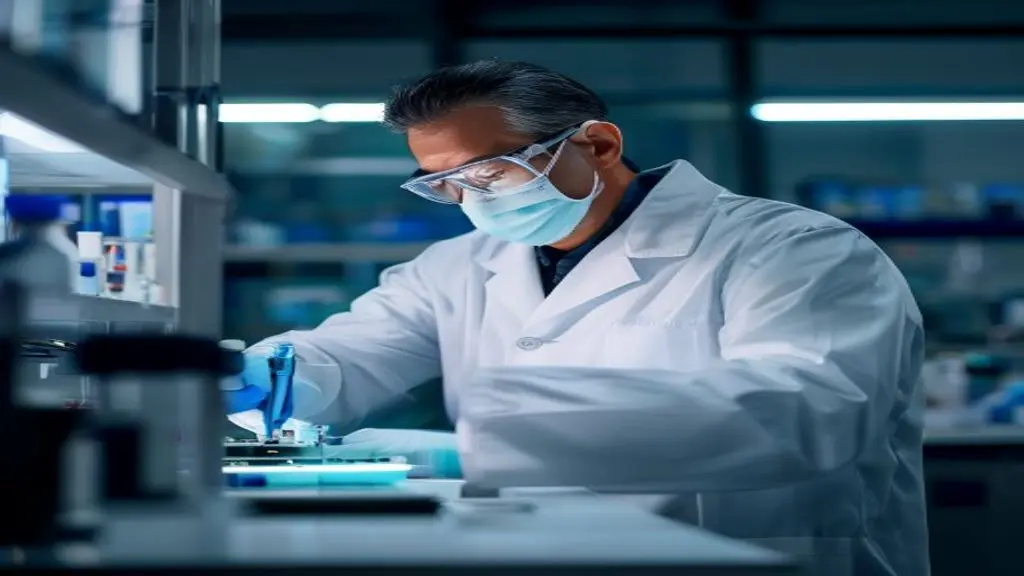
Electronics manufacturing is one of the most demanding fields for adhesive technology. The miniaturization of electronic devices, coupled with the need for high thermal conductivity and electrical insulation, has driven the development of specialized adhesives.
Additionally, adhesives used in electronics must meet strict regulatory standards, such as RoHS (Restriction of Hazardous Substances) and REACH (Registration, Evaluation, Authorisation and Restriction of Chemicals). This ensures that the final products are safe for both users and the environment.
Automotive Assembly: Bonding Solutions for Safety and Efficiency
The automotive industry is another key sector where high-performance adhesives are extensively used. In vehicle assembly, adhesives are employed for structural bonding, noise and vibration damping, and sealing. Structural adhesives, in particular, are critical for joining lightweight materials like aluminum and composites, which are increasingly used to reduce vehicle weight and improve fuel efficiency.
Bonding solutions in automotive applications must also provide excellent resistance to chemicals, UV radiation, and extreme temperatures. This is especially important in areas such as engine compartments and exterior body panels, where the adhesives are exposed to harsh conditions. Furthermore, the use of adhesives can simplify the assembly process, reducing the need for mechanical fasteners and improving the overall aesthetics of the vehicle.
New Energy Applications: Adhesives for Sustainable Technologies
The new energy sector, including solar panels, wind turbines, and electric vehicles, relies heavily on high-performance adhesives. In solar panel manufacturing, adhesives are used to bond the glass, encapsulant, and backsheet, ensuring the integrity and durability of the panels. These adhesives must withstand prolonged exposure to UV radiation, temperature fluctuations, and moisture, while maintaining their optical clarity and mechanical strength.
For wind turbines, adhesives are used in the assembly of blades, nacelles, and other components. These adhesives must provide strong, durable bonds that can withstand the dynamic loads and environmental stresses experienced during operation. In electric vehicle (EV) battery packs, adhesives are used for thermal management, structural bonding, and sealing. They must ensure reliable performance and safety, even under challenging operating conditions.
Technical Insights and Trends in Adhesive Technology
Advancements in adhesive technology continue to drive innovation in manufacturing. One significant trend is the development of multifunctional adhesives that offer additional properties beyond basic bonding. For example, some adhesives now incorporate thermal or electrical conductivity, enabling them to serve dual purposes in electronic assemblies. Another trend is the increasing use of bio-based and sustainable adhesives, which align with the growing emphasis on environmental responsibility.
Moreover, the integration of smart technologies, such as self-healing adhesives and adhesives with embedded sensors, is opening up new possibilities for monitoring and maintaining the integrity of bonded structures. These innovations are particularly relevant in high-stress applications, where the ability to detect and repair damage can significantly extend the lifespan of components.
Conclusion
High-performance adhesives are a cornerstone of modern manufacturing, providing the strength, durability, and reliability needed in electronics, automotive, and new energy applications. As the industry continues to evolve, the development of advanced adhesive solutions will remain a key focus, driving further innovation and sustainability in these critical sectors.
Write your comment