Introduction to High-Performance Industrial Adhesives
High-performance industrial adhesives play a crucial role in various sectors, including electronics, automotive, and new energy manufacturing. These adhesives are designed to provide reliable, long-lasting bonds that can withstand harsh environmental conditions, mechanical stress, and thermal cycling. In this article, we will delve into the technical aspects, applications, and trends in the use of high-performance industrial adhesives.
Technical Insights into High-Performance Adhesives
Chemical Composition and Properties
High-performance industrial adhesives are typically formulated with advanced chemistries, such as epoxy, polyurethane, and acrylic resins. These materials offer a range of properties, including high tensile strength, excellent adhesion to a variety of substrates, and resistance to chemicals, moisture, and temperature extremes. The choice of adhesive chemistry depends on the specific application requirements, such as the type of substrates, operating conditions, and desired bond characteristics.
Adhesive Curing Mechanisms
The curing mechanism of an adhesive is a critical factor in determining its performance. Common curing methods include:
- Thermal Curing: This method involves heating the adhesive to initiate a chemical reaction that hardens the material. Thermal curing is widely used in applications where rapid and consistent curing is required, such as in automotive assembly lines.
- UV/Visible Light Curing: UV-curable adhesives are activated by exposure to ultraviolet or visible light. This method offers fast curing times and is particularly useful in electronics manufacturing, where precise control over the curing process is essential.
- Moisture Curing: Some adhesives, such as one-component polyurethanes, cure through a reaction with atmospheric moisture. This method is often used in applications where access to heat or light is limited, such as in outdoor installations.
Applications in Electronics Manufacturing
In the electronics industry, high-performance adhesives are used for a wide range of applications, from bonding components to encapsulating sensitive electronics. Key considerations in this sector include:
- Thermal Management: Adhesives must be able to dissipate heat effectively to prevent damage to electronic components. Thermally conductive adhesives, which contain fillers such as aluminum oxide or boron nitride, are commonly used for this purpose.
- Electrical Insulation: In many electronic assemblies, it is essential to maintain electrical insulation between components. Electrically insulating adhesives, such as those based on silicone or epoxy, are used to ensure that there is no unwanted electrical conduction.
- Vibration Damping: Electronics in vehicles and other mobile devices are subjected to significant mechanical stress. Adhesives with good vibration damping properties, such as those containing rubber or other elastomers, help to protect these components from damage.
Applications in Automotive Assembly
The automotive industry relies heavily on high-performance adhesives for structural bonding, sealing, and noise reduction. Some key applications include:
- Structural Bonding: Adhesives are used to bond body panels, frames, and other structural components. These adhesives must provide high strength and durability to ensure the safety and longevity of the vehicle.
- Sealing: Adhesives and sealants are used to create watertight and airtight seals in various parts of the vehicle, such as door and window frames, windshields, and engine compartments. These materials must be resistant to weathering and chemicals.
- Noise Reduction: Acoustic foams and adhesives are used to dampen noise and vibrations in the vehicle. These materials are applied to areas such as the floor, roof, and interior panels to improve the overall driving experience.
Applications in New Energy Manufacturing
The new energy sector, including solar, wind, and battery technologies, also benefits from the use of high-performance adhesives. Some key applications include:
- Solar Panel Assembly: Adhesives are used to bond solar cells to the backing material and to seal the edges of the panel. These adhesives must be resistant to UV radiation, temperature fluctuations, and moisture to ensure the long-term performance of the solar panel.
- Wind Turbine Blade Bonding: Adhesives are used to bond the composite materials that make up wind turbine blades. These adhesives must provide high strength and durability to withstand the mechanical stresses and environmental conditions encountered during operation.
- Battery Pack Assembly: In electric and hybrid vehicles, adhesives are used to bond and seal the components of battery packs. These adhesives must provide electrical insulation, thermal management, and resistance to chemicals and temperature extremes.
Trends in High-Performance Adhesive Technology
Advancements in Nanotechnology
Nanotechnology is increasingly being integrated into high-performance adhesives to enhance their properties. For example, nanofillers such as carbon nanotubes and graphene can be added to adhesives to improve their mechanical strength, thermal conductivity, and electrical properties. These advancements are particularly relevant in the electronics and new energy sectors, where the demand for high-performance, multifunctional adhesives is growing.
Sustainability and Environmental Considerations
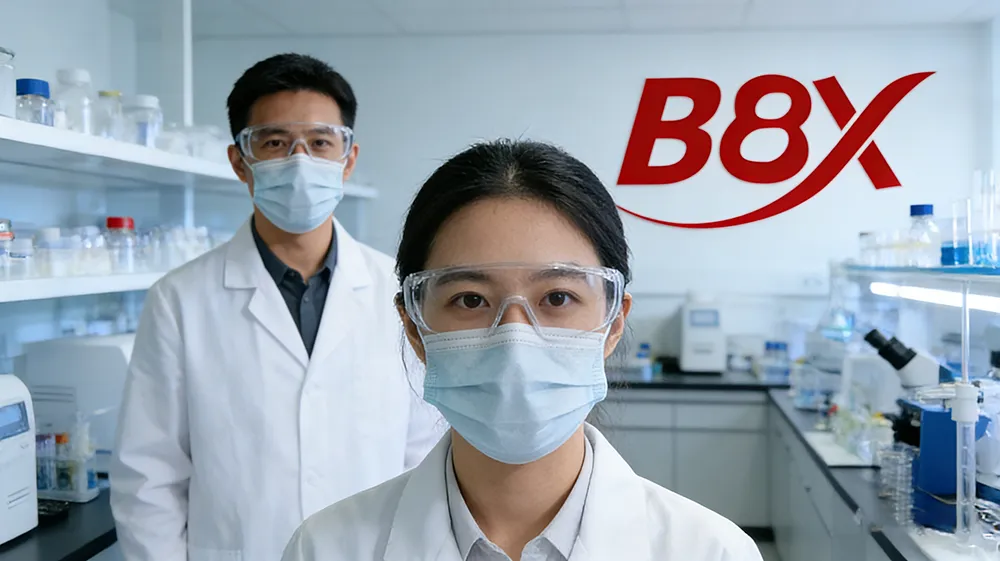
There is a growing emphasis on sustainability in the development of high-performance adhesives. This includes the use of bio-based raw materials, the reduction of volatile organic compounds (VOCs), and the development of adhesives that are easier to recycle. Companies like B8X are at the forefront of these efforts, working to develop adhesives that not only meet the stringent performance requirements of modern industries but also align with environmental and sustainability goals.
Conclusion
High-performance industrial adhesives are essential in a wide range of applications, from electronics and automotive manufacturing to new energy technologies. As the demands of these industries continue to evolve, so too do the capabilities of high-performance adhesives. By staying at the cutting edge of technology and innovation, companies like B8X are ensuring that the adhesives of the future will meet the challenges of tomorrow's manufacturing landscape.
Write your comment